Modern Tile Trends in 2026 for Homes and Commercial Spaces
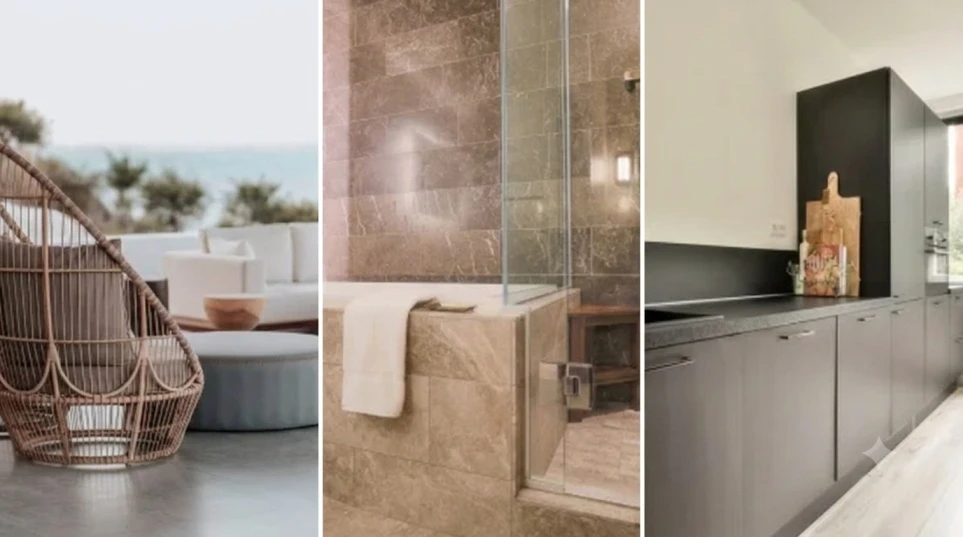
Design for tiles is progressing at a rapid pace. A sharp and contemporary look three years ago can seem like old news these days, where architectural quality is paramount, and interior design is taken seriously, so keeping up with trends is important, whether you're renovating a bathroom in Kloten or fitting out a commercial lobby in Zurich.
Here's what's actually defining tile choices in 2026, across both residential and commercial projects.
Large Format Tiles Are Still Dominating — and Getting Larger
The shift toward large-format tiles that started a few years ago has only accelerated. Slabs of 120x60cm, 120x120cm, and even 160x80cm are now standard requests in both home and commercial installations, and it's not hard to see why.
A single large-format tile will create a cleaner, more uninterrupted surface; in visual terms, it will give the illusion of a much larger bath or kitchen floor than if covered in smaller-format tiles. This is even more noticeable in commercial properties. It's good to have an oversized porcelain slab to cover an area like a reception room or retail floor – that instantly gives it a sense of quality that smaller tiles can't replicate.
The technical requirements are greater, as well. The large format tiles are sensitive to installation; the substrate needs to be perfectly level, and the use of the correct adhesive and the skill of the tile installer are crucial. This is where professional tile installation can make a difference on commercial projects, particularly.
Natural Stone Looks — Without the Maintenance of Natural Stone
One of the most significant developments in tile manufacturing over the last few years has been the quality of stone-effect porcelain. The texture, variation, and depth of travertine, marble, slate, and sandstone are now reproducible in porcelain at a level that's genuinely difficult to distinguish in finished installations.
It's a clear call. The natural look and feel of stone with the convenience of porcelain: non-porous, stain-resistant, cleanable, and much more durable in high-traffic areas. This choice is now the standard for clients desiring a higher-end look without the maintenance of real marble or travertine for homes and commercial properties in Switzerland, where both quality and affordability are important.
Popular in 2026: warm-toned travertine effects in beige and terracotta, dark slate-look tiles for feature walls, and white Carrara-style marble effects for bathrooms and kitchen splashbacks.
Textured Surfaces and 3D Effects
Where once surfaces were smooth and shiny, this is now being replaced with a textured surface. In 2026, showrooms and project specifications feature relief patterns, geometry, handmade-effect surfaces with slight irregularity, and tiles with natural texture variations.
A feature wall in a residential bathroom, behind a freestanding bathtub or in a shower cubicle, is a great way to include depth and interest without adding any other decorations. Textured tile is a great wall choice for commercial hospitality settings, such as restaurant walls and hotel lobbies, because it can evoke atmosphere in a manner that paint or smooth surfaces cannot.
Practical note: heavily textured surfaces require more attention during cleaning and need a tile installer who understands how to grout them correctly without filling the surface detail. The installation process is more involved, but the finished result justifies it.
Terracotta and Warm Earth Tones
The cool grey palette that dominated Swiss and European interiors for the better part of a decade is giving ground to warmer tones. Terracotta, ochre, warm sand, dusty rose, and clay-based colours are appearing in kitchens, bathrooms, and outdoor terraces across residential and commercial projects alike.
Modern terracotta-look tiles are not the fragile, high-maintenance terracotta of older properties. Contemporary versions in porcelain or ceramic offer the warmth and richness of the traditional material with significantly better durability, resistance to frost for outdoor use, and consistency of colour.
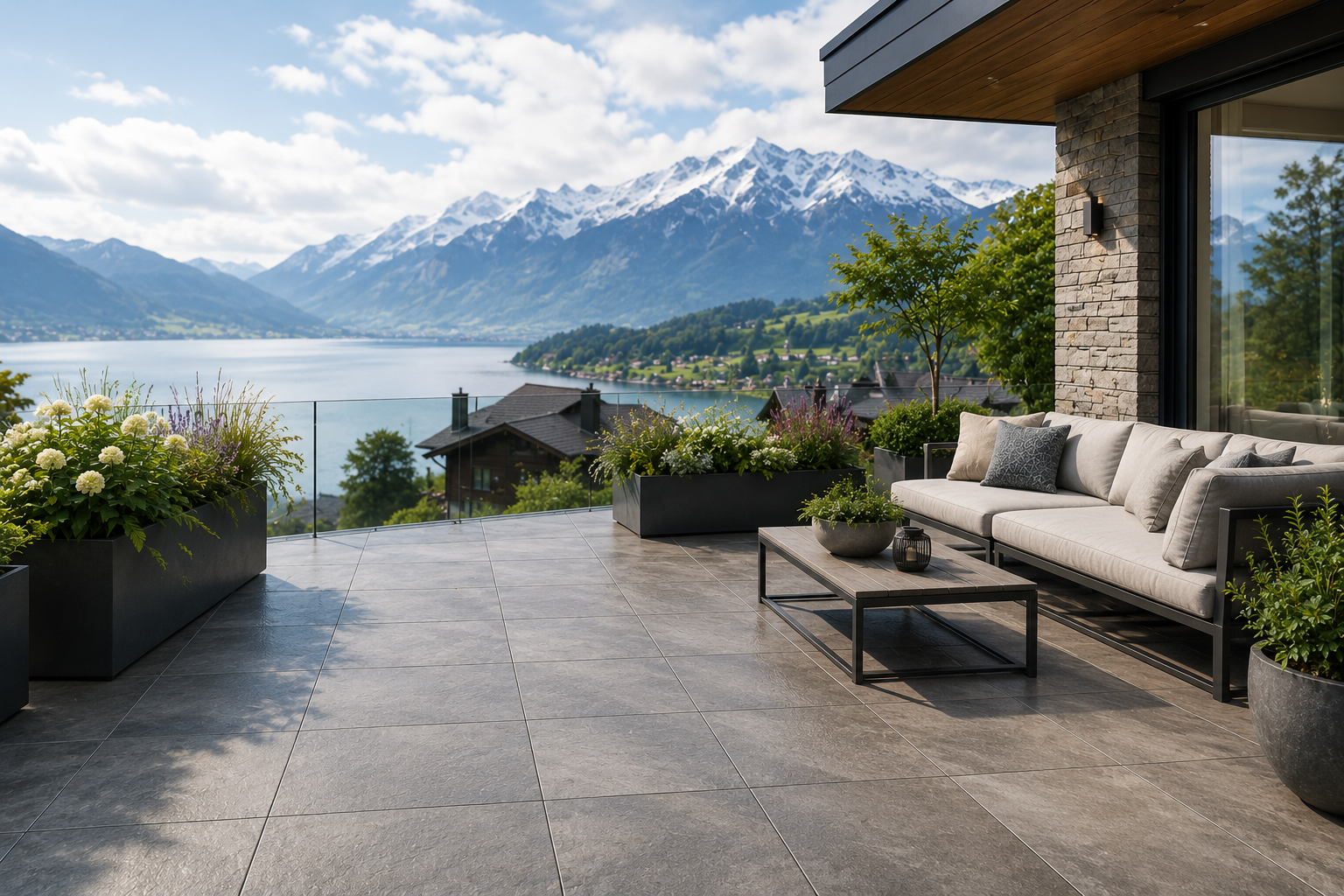
Outdoor patios and terraces are a popular choice in Switzerland and are advised to use tile that can withstand the real seasonal temperatures in Switzerland; for this reason, frost-resistant terracotta-effect porcelain is one of the best options for the upcoming year 2026.
Zellige and Handmade-Effect Tiles for Feature Areas
Over the past two years, Zellige, the handmade Moroccan ceramic tile with subtle irregular borders and colour differences, has gone from being a niche market to a mainstream choice for European interiors. Today, zellige or zellige-effect tiles are more commonly specified for kitchen backsplashes, bathroom niches, and feature walls in restaurants.
The visual quality is distinctive: the slight imperfection in each tile, the way light catches the surface differently across the installation, the depth of colour that comes from the traditional glazing process. No two pieces are identical, which gives a finished wall a character that machine-perfect tiles can't achieve.
A single section of zellige-effect tile can make a bathroom look truly unique or a kitchen splashback a special room. It's a detail that will appreciate close inspection — and the sort of finish that looks great in pictures and feels like it's thought of.
What This Means for Your Project
The common thread across every tile trend in 2026 is that the finishes getting the most attention are the ones that require the most from the installer. Large format slabs, textured surfaces, zellige, stone-effect porcelain with matched grout — all of these look exceptional when installed correctly and disappointing when they're not.
Material choice and installation quality are equally important. The best tile in the wrong hands won't deliver what the showroom showed you.
At Plattenleger Pro, we work across all of these tile categories — residential bathrooms, kitchens, outdoor terraces, staircases, swimming pools, and commercial spaces across Kloten, Zurich, and throughout Switzerland. If you're planning a project and want to talk through material options and what's realistic for your space and budget, call us on +41 77 956 64 22 or email info@plattenlegerpro.ch.
Frequently Asked Questions
What tile sizes are most popular in Switzerland in 2026?
The most popular sizes for both domestic and commercial applications are the large format tiles: 120x60cm and 120x120cm. They produce a cleaner, larger finish with fewer grout lines. Smaller mosaic formats are still available for use in feature areas, shower floors, or swimming pool installations where a smaller tile is more appropriate.
Are natural stone tiles still a good choice in 2026?
Natural stone remains a premium choice, but high-quality stone-effect porcelain has become the practical alternative for most projects. It replicates the appearance of marble, travertine, and slate very accurately while being easier to maintain, more resistant to staining, and significantly more durable in high-traffic areas.
What tile trends are popular for commercial spaces in Switzerland?
In 2026, large-format porcelain, stone-effect slabs, and textured surfaces are the top preferences for Swiss commercial projects. For commercial installations, through-body porcelain, which has colour throughout the tile body, is also more often required in areas where surface wear is a consideration with heavy foot traffic.
Can terracotta tiles be used outdoors in Swiss weather conditions?
Terracotta is not suitable for Swiss winters. When installing outdoor terraces, patios, and garden paths, always use frost-resistant tiles. (This specification will be confirmed by a professional installer before any products are ordered.)
Recent Posts
-
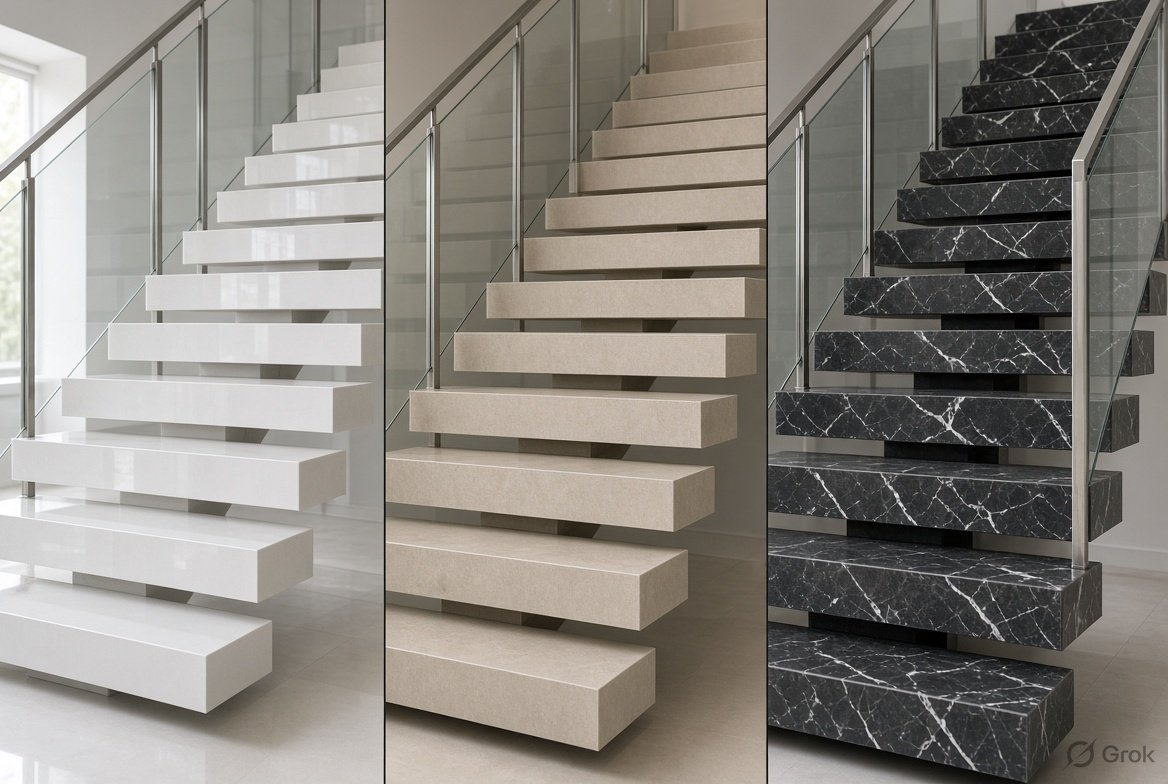
Porcelain vs Ceramic vs Natural Stone Tiles for Stairs: Which Is Best?
Oct 08, 2026 -
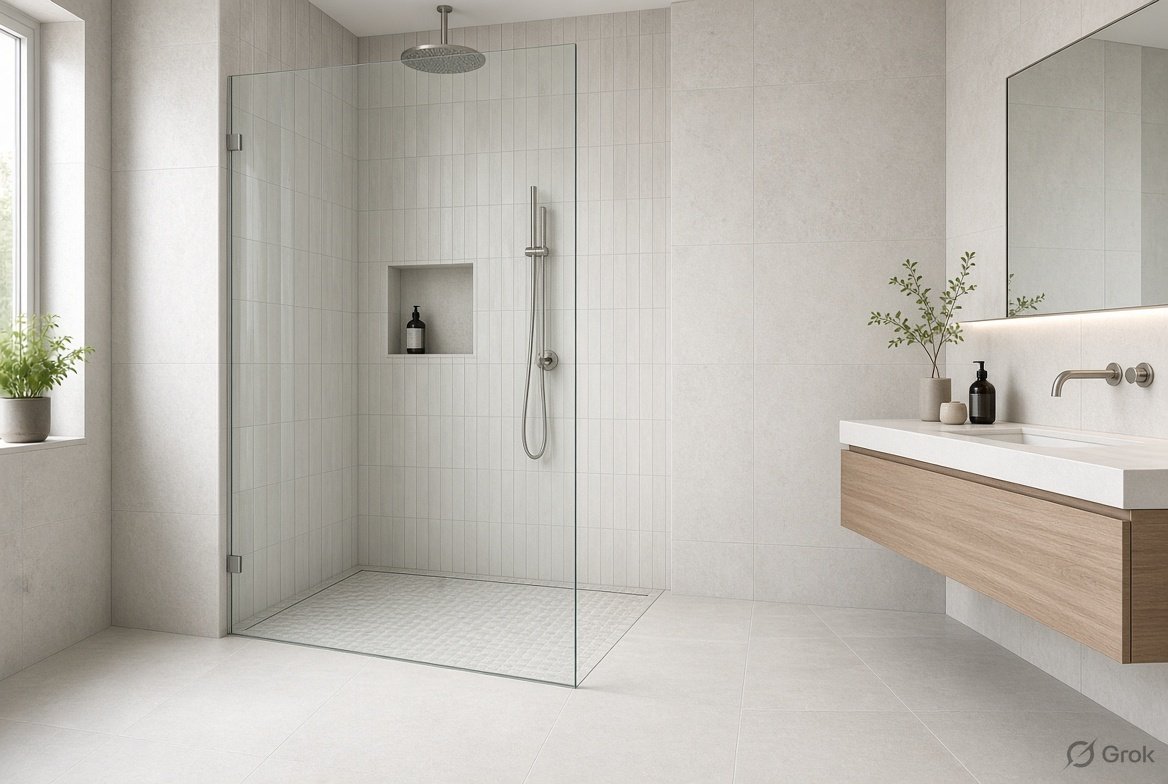
Best Shower Tile for Small Bathrooms: 9 Options That Make the Space Look Bigger (2026 Guide)
Sep 28, 2026 -
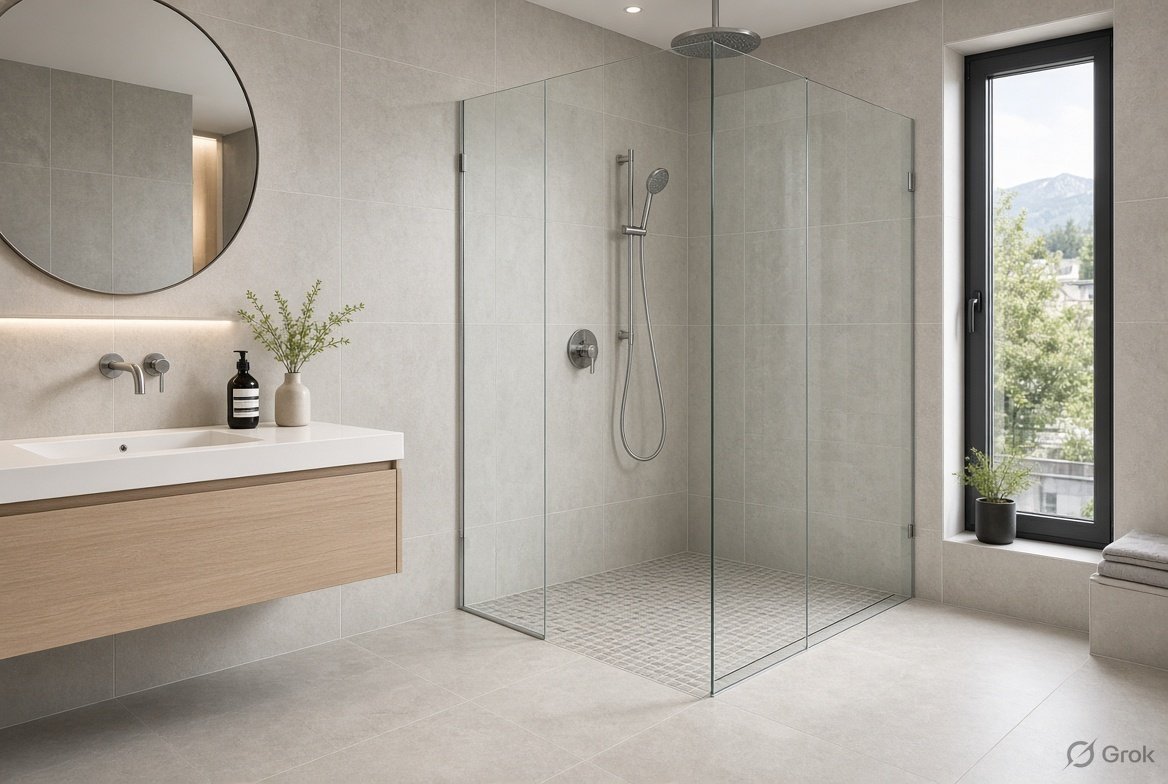
Bathroom Renovation in Switzerland: How Choose the Right Tiles
Sep 28, 2026 -
Outdoor Terrace Tile Installation in Switzerland: Choosing the Right Tiles for Swiss Weather
Sep 03, 2026 -
How to Choose the Right Plattenleger in Switzerland: A Complete Guide
Aug 27, 2026