Ceramic vs Porcelain Tiles: Which Is Better for Your Space?

The decision of choosing the right tile for your space can be confusing. Initially, it can look easier to make a decision; however, the moment you begin to look at the possibilities. Ceramic and porcelain tiles are among the most used ones in homes and commercial places, and they seem to be similar, but they work differently. The correct decision will be made based on the location where the tiles are to be placed, the amount of foot traffic the area receives and the long-term maintenance.
If you’re renovating your home, constructing a new location, or just increasing the floor or wall tiles, the knowledge of the difference between ceramic and porcelain tiles will guide you to a more intelligent and longer-lasting choice.
Understanding Ceramic Tiles
Ceramic tiles are crafted with natural clay, which is pressed and fired at high temperatures, and finished with a glazed surface. They have been around for decades and will not leave the trend since they are cheaper, multi-purpose, and simple to handle.
A vast number of colors, patterns and decorative designs is one of the greatest benefits of the ceramic tiles. They are typically applied on walls, kitchen backsplashes and low-traffic floors. Since ceramic tiles are a little bit softer than porcelain, they are easier to cut and install, resulting in a reduction in time to install and cost.
Ceramic tiles work best in indoor spaces where there are no extreme moisture conditions. Ceramic tiles are effective in bathrooms, kitchens, and the walls of the living room. They are, however, porous as compared to porcelain, and this implies that they are capable of holding more water unless glazed or sealed.
Understanding Porcelain Tiles
The porcelain tiles are also fashioned using the same clay but in a much more refined form and with a higher firing temperature. The process also increases the density, strength and absorbency of porcelain tiles compared to ceramic tiles.
Porcelain tiles can be used in any place that has water exposure, temperature fluctuations and with a lot of traffic due to their low water absorption. They are commonly used everywhere, such as in flooring, outside spaces, swimming pool environs, and business spaces. The porcelain tiles are resistant to stains, scratches, and chemicals, too, and thus are a long-term investment.
Porcelain tiles have been highly developed in terms of design. They can mimic natural stone, marble, wood and concrete with a very great degree of realism. This enables the homeowners to have a high-end appearance, with the added advantage of being more durable and easier to maintain.
Durability and Strength Comparison
The greatest contrast between ceramic and porcelain tiles is durability. Ceramic tiles are strong enough to be used in day-to-day residential work; however, they might crack or break when they are subject to continuous pressure. This makes them inappropriate for high-traffic locations or outdoors.
On the other hand, Porcelain tiles are very hard and dense. These are meant to withstand human foot traffic, movement of furniture and extreme weather conditions. This is the reason why porcelain is commonly used in hallways, living rooms, patios, balconies, and in commercial settings.
Porcelain tiles tend to be superior to ceramic tiles when long-term durability is considered.
Water Resistance and Climate Suitability
Another important factor is water resistance. Porcelain has a lower capacity to retain water compared to ceramic tiles, which limits their use in wet or outdoor areas. When the temperature is low, the probability of cracking may occur due to the absorption of moisture.
Porcelain tiles have a very low water absorption rate; thus, they are frost-resistant and can be used indoors or outdoors. This makes porcelain a good option in areas with varying weather conditions, bathrooms and places where exposure to water is often experienced.
Maintenance and Cleaning
Ceramic and porcelain tiles are not very difficult to maintain, but when it comes to long-term care, porcelain is a better subject. There is a possibility of a higher rate of sealing and cautious cleaning of ceramic tiles to avoid staining in the kitchen and bathroom areas.
Porcelain tiles are stain-resistant and will not absorb spills or water as much as ceramic tiles. Sweeping and mopping every now and then can keep them fresh. This has made porcelain a favorite option in busy households and in business premises where it requires minimal maintenance.
Cost Considerations
Ceramic tiles are relatively cheaper both in terms of material and installation. One reason why they are such a good option is that they can be used when working with a tight budget or when tiling a decorative wall or a low-traffic area.
The costs of porcelain tiles are likely to be higher because of their production and longevity. They are also more expensive to cut and handle, and this makes installation expensive. Nevertheless, they tend to become more economical in the long run due to their long life and low maintenance.
Which Tile Is Right for Your Space?
Ceramic tiles would be an excellent option in case you are:
- Tiling walls or backsplashes.
- Operating with a constrained budget.
- Planning indoor space with low traffic.
- Seeking decoration patterns and colors.
Porcelain tiles are more appropriate if you require:
- Strong, long-lasting flooring.
- Tiles for bathrooms, kitchens, or outdoor areas.
- Frost- and water-resistant surfaces.
- A high-quality, natural stone or wood-like finish.
Final Thoughts
If you are looking for the best tile to install between ceramic and porcelain tiles, the answer to that does not exist. The most suitable one is based on space, lifestyle, and expectations in the long term. Ceramic tiles are beautiful and low-priced, whereas porcelain tiles are strong, durable and high-performance.
If you want professional guidance and flawless results, hire Plattenleger Pro for tile installation in Switzerland. With expert craftsmanship, attention to detail, and experience across residential and commercial projects, Plattenleger Pro ensures your tiles are installed perfectly—whether you choose ceramic, porcelain, or a combination of both. Your space deserves quality that lasts.
Recent Posts
-
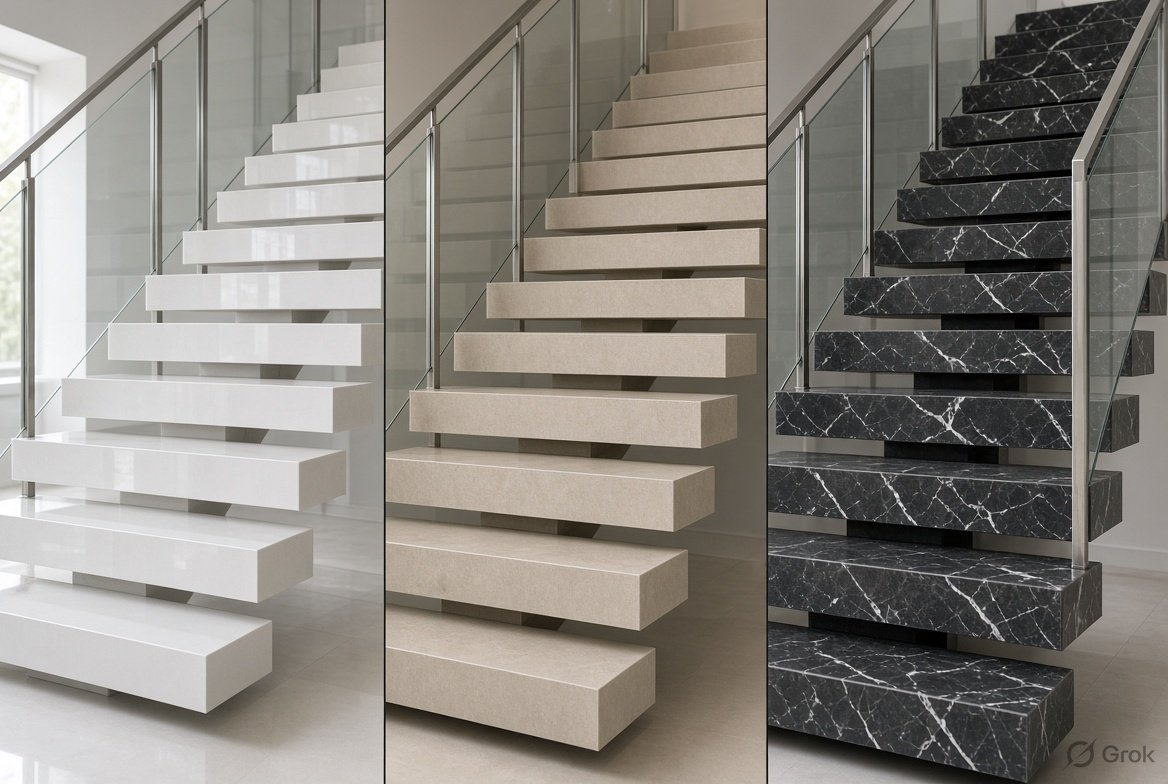
Porcelain vs Ceramic vs Natural Stone Tiles for Stairs: Which Is Best?
Oct 08, 2026 -
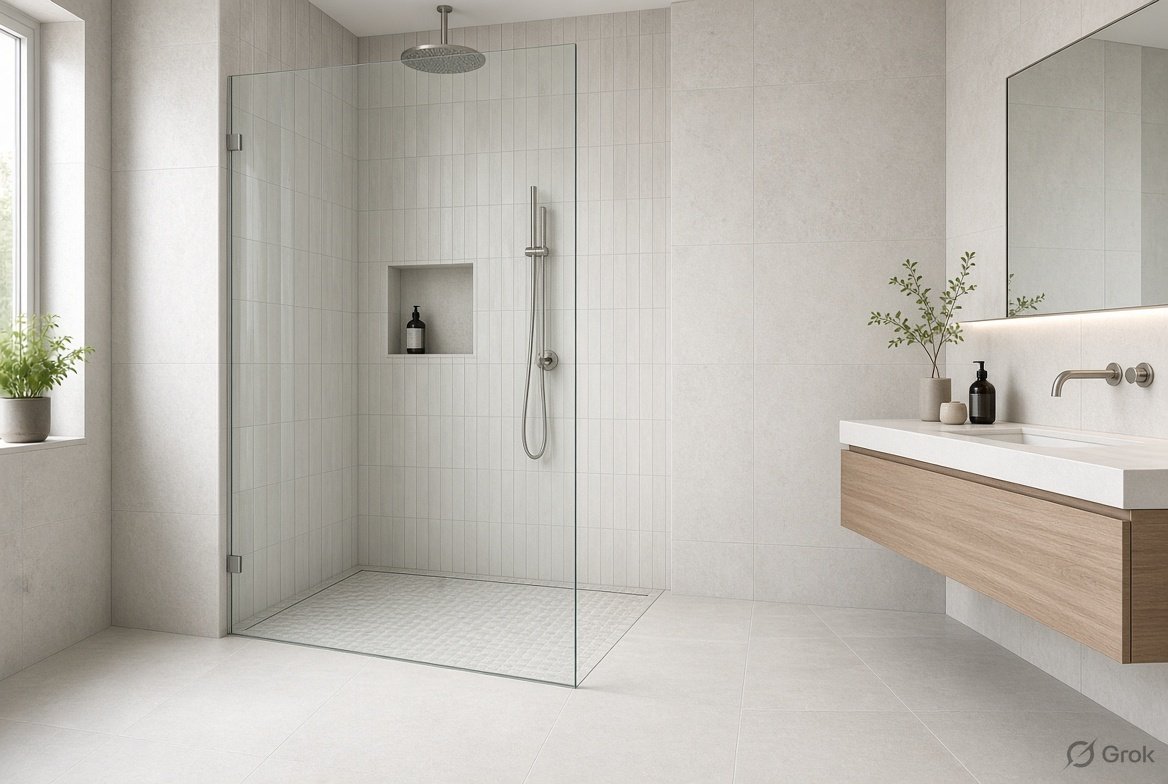
Best Shower Tile for Small Bathrooms: 9 Options That Make the Space Look Bigger (2026 Guide)
Sep 28, 2026 -
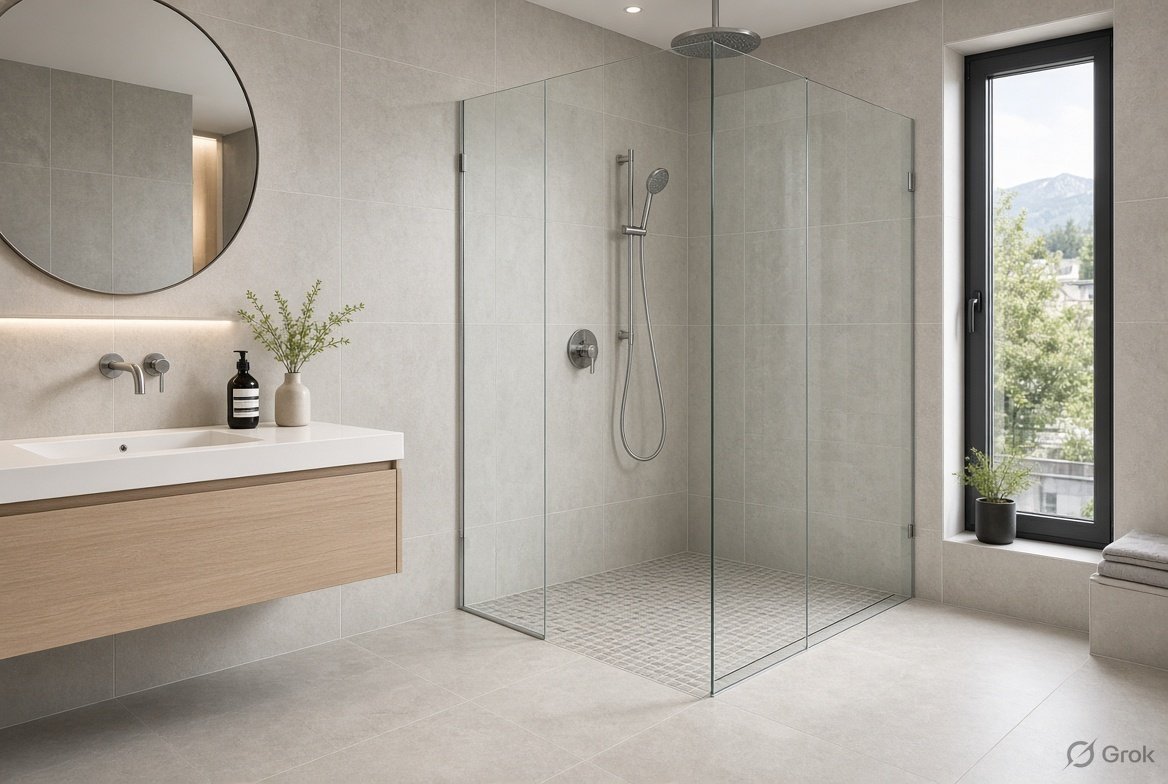
Bathroom Renovation in Switzerland: How Choose the Right Tiles
Sep 28, 2026 -
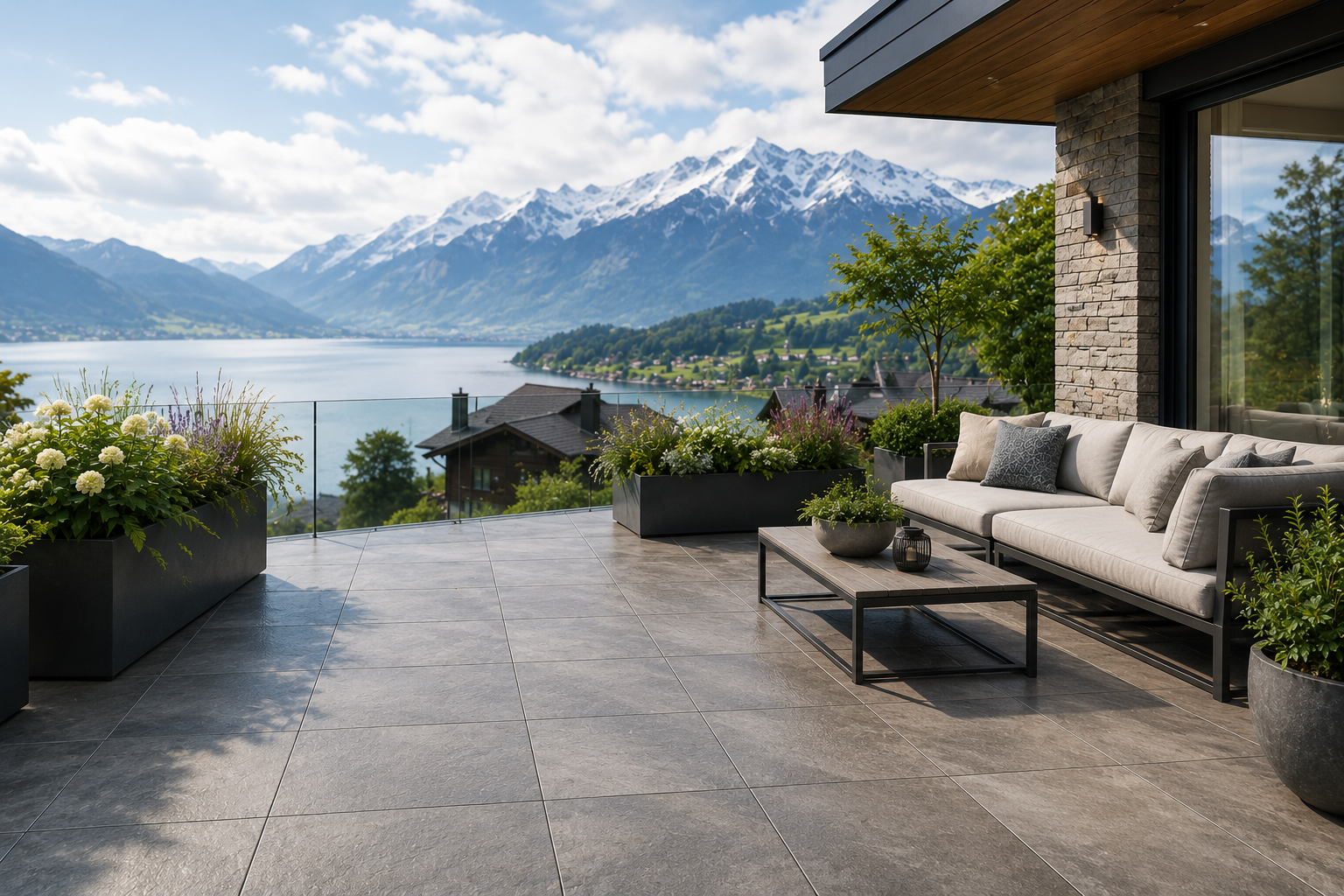
Outdoor Terrace Tile Installation in Switzerland: Choosing the Right Tiles for Swiss Weather
Sep 03, 2026 -

How to Choose the Right Plattenleger in Switzerland: A Complete Guide
Aug 27, 2026