Large-Format Tile Installation: Pros, Cons and Expert Tips
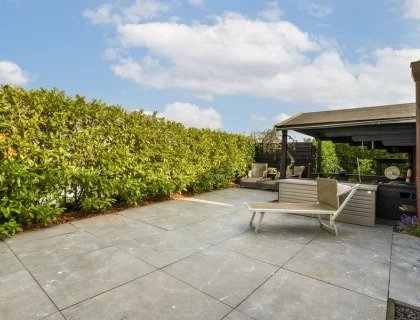
You have likely noticed the floors, especially in a fancy hotel lobby or a showroom that has been recently updated. Rather than the typical pattern of small squares and heavy grout lines, you are looking at enormous and smooth sheets of porcelain or stone. These are high-format tiles, and they are totally transforming the manner in which we conceive interior design.
At Plattenleger Pro, we get a lot of questions about these "XL" tiles. Homeowners love the look, but they often wonder if they are practical for a standard family home or a bathroom renovation. The short answer is: they look incredible, but they require a very specific approach to install correctly.
We shall discuss all the things you have to know about going big on your tile selection
.
What Exactly Is "Large-Format"?
In the world of flooring, "large-format" generally refers to any tile where at least one side is longer than 60 centimeters. However, technology has pushed these boundaries significantly. Today, it’s not uncommon to see "slabs" or "gaffers" that are 120x120cm, 120x240cm, or even larger. These tiles are designed to mimic the look of a solid piece of natural stone, offering a clean, expansive aesthetic that smaller tiles just can't match.
The Pros: Why Everyone Wants Large Tiles
1. A Sense of Infinite Space
The biggest draw is the visual impact. Because there are fewer grout lines to break up the surface, the floor appears as one continuous plane. This actually makes small rooms feel much larger. If you put large-format tiles in a small bathroom, the lack of "visual clutter" opens the space up, making it feel airy and high-end.
2. Much Less Cleaning
Let’s be honest: nobody likes scrubbing grout. Grout is porous, it stains, and it’s usually the first part of a floor to look dirty. By using larger tiles, you drastically reduce the amount of grout on your floor. Instead of hundreds of little joints, you might only have a handful. This makes daily maintenance a breeze—a quick mop is usually all it takes to keep the surface looking brand new.
3. The Modern Aesthetic
Large tiles offer a sleek, minimalist look that fits perfectly with contemporary architecture. Whether you choose a concrete look, a marble vein that continues across multiple panels, or a matte slate finish, the result is always sophisticated.
The Cons: What to Consider Before Buying
1. The "Perfect Floor" Requirement
This is the most important factor. Large tiles are not flexible. If your subfloor has even a tiny hump or a slight dip, a large tile will either sit unevenly (creating "lippage" where edges catch your feet) or it will eventually crack under pressure. Preparing the floor is often more work than the tiling itself; it must be perfectly level and structurally sound.
2. Handling and Weight
These tiles are heavy and fragile until they are laid. You can’t just throw a 120x240cm porcelain slab in the back of a car. They require special suction cups to move and often need two or three people to set a single tile in place. This increases the labor cost compared to standard subway tiles.
3. Waste and Cutting
Cutting a massive tile is a high-stakes game. If a tiler makes a mistake on a small 20cm tile, you toss it and grab another. If a giant slab cracks while being cut for a pipe or a corner, it’s an expensive error. You also tend to have more "waste" when fitting large tiles into awkwardly shaped rooms.
Expert Installation Tips
If you’ve decided that large-format is the way to go, here is how to ensure the job is done right:
Substrate Preparation is Everything:
Don't skip the self-leveling compound. Ensure the surface is "dead flat." The industry standard is usually a variation of no more than 3mm over a 3-meter span.
Double Buttering:
For tiles this size, you can’t just put mortar on the floor. You must "back-butter" the tile as well. Applying a thin layer of adhesive to the back of the tile ensures 100% coverage, which prevents air pockets that lead to cracks later on.
Use a Leveling System:
Professional clips and wedges are a must. These tools hold the tiles at the exact same height while the thin-set cures, preventing the tiles from "slumping" or moving.
Check Your Grout Width:
Even though you want "no lines," you still need a small expansion gap (usually at least 1.5mm to 2mm). Buildings move and shift with the seasons; if the tiles are touching each other with zero gap, they will pop or crack when the house settles.
Final Thoughts
Large-format tiles are a fantastic investment if you want a home that feels modern, clean, and spacious. While the upfront cost for materials and professional tile installation is higher, the durability and ease of cleaning make them a smart long-term choice.
At Plattenleger Pro, we specialize in the precision work required for these oversized slabs. It’s an art form that requires patience, the right tools, and a very steady hand. If you’re planning a renovation in Switzerland and want to explore how large-format tiles could transform your space, feel free to reach out to our team for a consultation. Let’s build something beautiful together.
Recent Posts
-
Outdoor Terrace Tile Installation in Switzerland: Choosing the Right Tiles for Swiss Weather
Sep 03, 2026 -
How to Choose the Right Plattenleger in Switzerland: A Complete Guide
Aug 27, 2026 -
Large Format Tiles vs Standard Tiles: What Works Best?
Aug 12, 2026 -
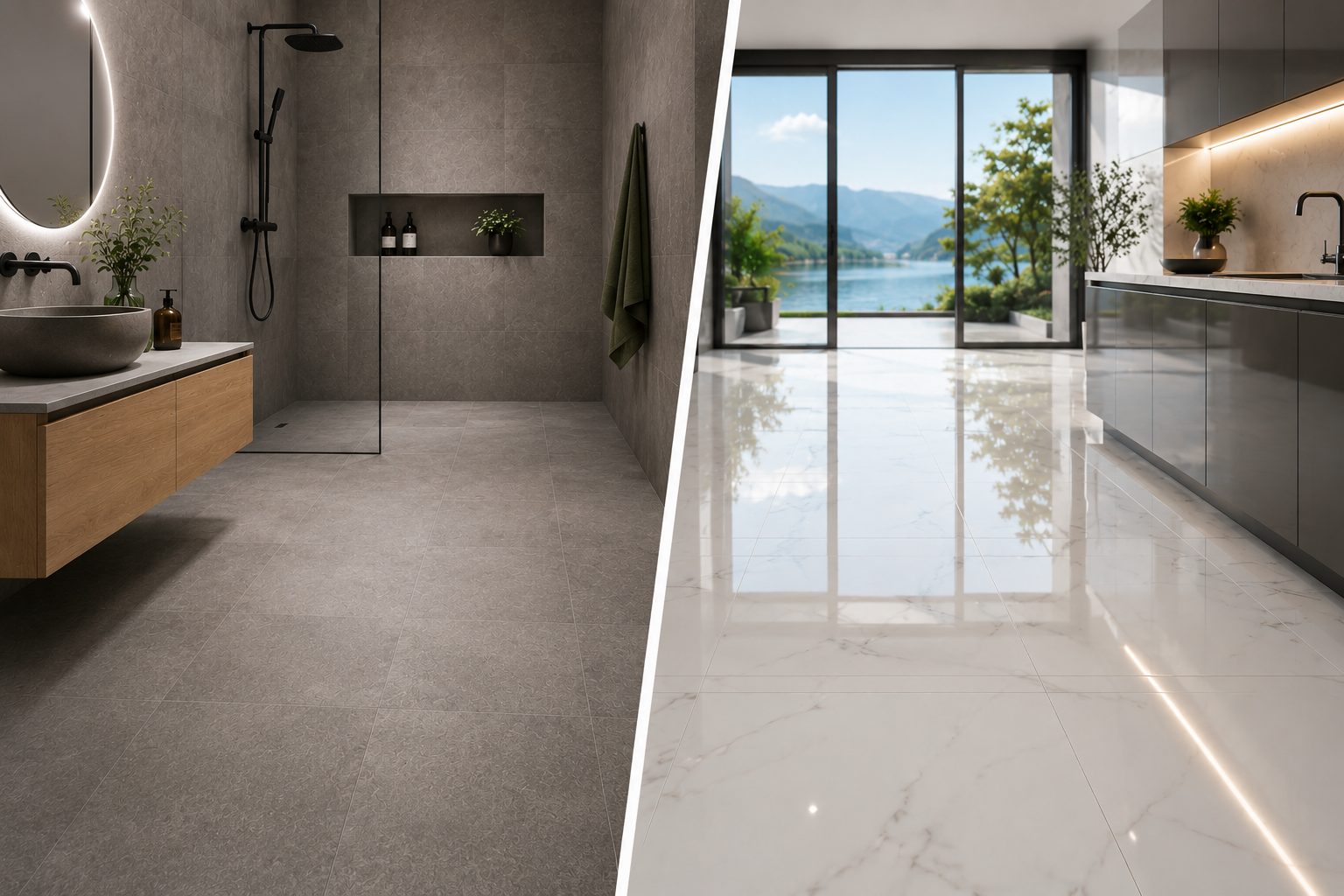
Matte Tiles vs. Gloss Tiles: Which Finish Should You Choose?
Jul 29, 2026 -
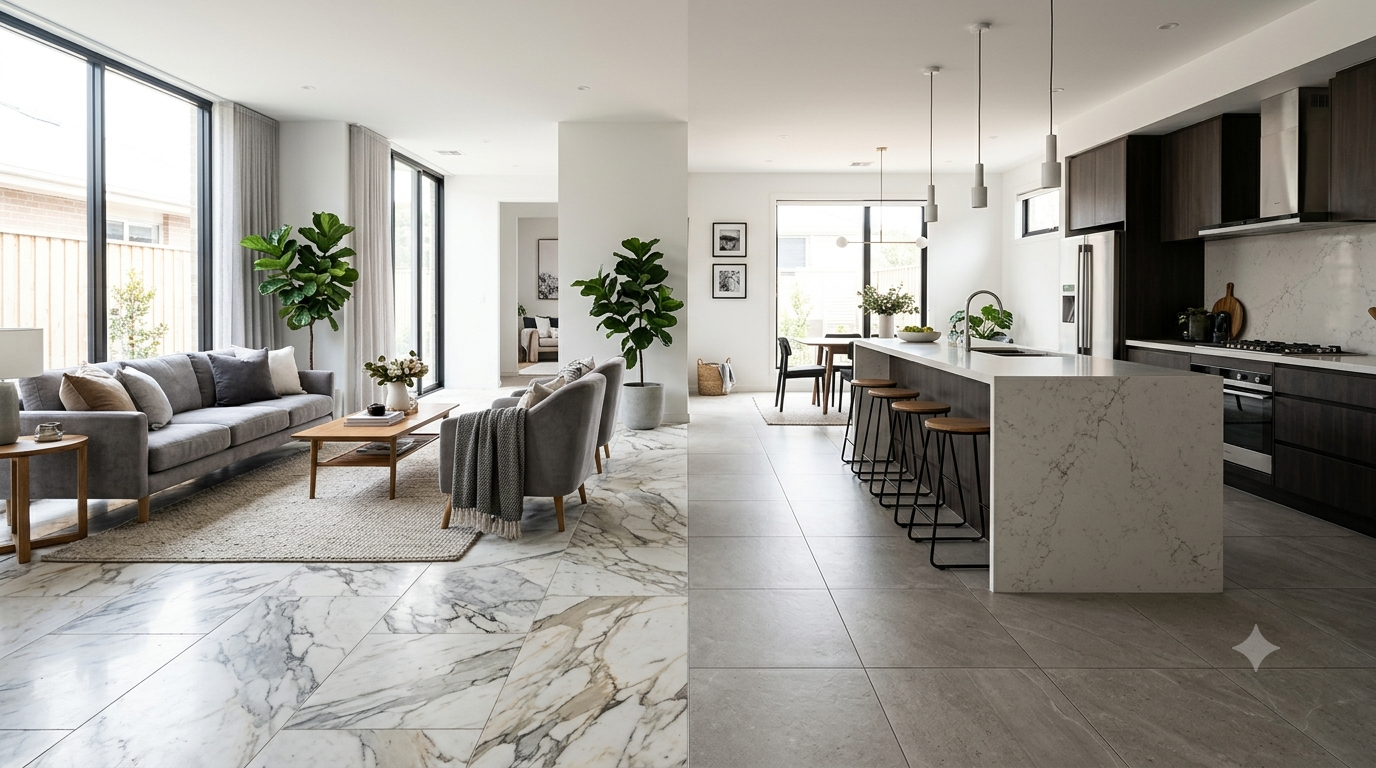
Natural Stone vs Porcelain Tiles: Pros, Cons, and Costs
Jul 22, 2026