Grout Types Explained: Sanded, Unsanded, and Epoxy

People spend weeks choosing tiles. The size, the colour, the finish. They order samples, hold them up to the wall in different lighting, and debate whether the large-format porcelain reads better than the smaller stone. Reasonable things to agonise over.
Then they get to the grout and grab whatever's sitting near the checkout.
It's a surprisingly common way to undo a tiling job.
Grout doesn't get talked about the way tiles do - it's not what draws you in at a showroom - but it's quietly responsible for whether a tiled surface holds up for fifteen years or starts looking rough in eighteen months. Get it wrong, and you're looking at anything from stained joints and discolouration to cracked seams, water behind the tiles, and eventually tearing the whole thing out. Three types cover most tiling work: sanded, unsanded, and epoxy. Each has a job it does well, and a job it has no business doing.
Why It Actually Matters
Grout isn't just gap filler. It seals the joints between tiles so water, dirt, and debris don't get underneath. It stabilises the tile edges and absorbs the small shifts that occur as buildings settle and materials expand and contract with temperature changes. In wet areas - showers, wet rooms, around a bath - it's part of what keeps water where it belongs.
A failed grout joint in a shower isn't just ugly. Water sitting behind tiles means mould in the wall, damage to the substrate and tiles starting to lift. The repair bill is usually much higher than whatever it would have cost to use the right grout in the first place.
Sanded Grout
Sanded grout is cement mixed with fine sand. The sand gives it structure and prevents it from shrinking and cracking when it dries out, especially across a wider joint.
The rule of thumb is joints above roughly 3mm. Below that, the sand particles are too coarse to pack tightly into gaps, and the grout won't bond well to the tile edges. Above 3mm - and especially from 5mm up to around 15mm - sanded grout is what you want. Floor tiles, large-format tiles, outdoor paving, natural stone – this is where it belongs.
Two things worth knowing before using it:
It's porous. Cement grout absorbs moisture, and moisture brings staining. Leave an unsealed cement joint in a kitchen or bathroom, and it will pick up grease and soap residue and hold onto it. Sealing isn't an optional step - it's part of finishing the job. And it needs to be redone periodically, not done once and forgotten about.
The sand content is abrasive. On polished surfaces—polished marble, smooth glazed ceramics, glass tiles—dragging sanded grout across the surface during application can leave fine scratches; however, this is not a concern on textured or unpolished surfaces. On anything with a delicate finish, work carefully and clean up promptly.
Unsanded Grout
Same cement base, no sand. The finer texture lets it press cleanly into a narrow joint without grit getting in the way, and it adheres well to tile edges in tight spaces.
Joints up to about 3mm are its territory - mosaic tiles, wall tiles laid with minimal spacing, polished stone, glass. The smooth consistency also makes it gentler on delicate surfaces during application, which matters when you're working with polished marble or glass mosaic.
The limitation is simple: without sand to give it body, it shrinks more as it cures. If you use it in a joint that's too wide, the grout will crack - sometimes not immediately, but within a few months. It looks like an artistry issue. It's actually a material selection issue.
Like sanded grout, it needs to be sealed. Same principles, same maintenance schedule - and be especially attentive in wet areas where water getting behind the tiles causes the most damage.
Epoxy Grout
Epoxy grout is entirely different. It's not cement-based — it comes in two parts, a resin and a hardener, mixed just before use. The chemical reaction between them produces something that behaves nothing like a cement product.
Once cured, it's extremely hard, completely non-porous, and resistant to the things that eventually take down cement grout. It doesn't absorb water. It doesn't stain. It never needs sealing. It shrugs off cleaning products, food acids, and the rigours of daily use. In commercial kitchens, labs, food processing facilities, and swimming pools, it's often the only sensible choice.
In residential work, it's become a legitimate option for showers and wet rooms. A properly installed epoxy-grouted shower doesn't need annual resealing. It resists the mildew and soap scum buildup that makes cement-grouted shower joints look shabby within a few years. For anyone who wants a genuinely low-maintenance wet area, the case for it is hard to argue with.
That said, it has a reputation for being difficult to work with, and that reputation is fair.
The cost is considerably higher than cement grout. Over a large floor, that adds up.
The working time is short and unforgiving. Once you mix the two components, the clock starts. The material stiffens progressively until it can't be worked anymore, and the window is tighter than most people expect - shorter still in warm conditions. On a large area, you work methodically in sections and don't get distracted.
Cleanup is where people get caught out. Epoxy residue that's partially cured on a tile face is genuinely hard to remove. On smooth tiles, it's manageable with the right products. On textured tiles, porous natural stone, or any surface that traps the material, it requires care during application and thorough cleanup before anything sets. The wrong approach at the wrong time either damages the tile surface or just moves the residue around without removing it.
This is a material that rewards experience. The performance is real - but it depends entirely on the installation being done right.
How to Actually Choose
Most decisions come down to three things.
Joint width first.
Under 3mm, use unsanded. Over 3mm, use sanded. That rule exists for good reasons, and breaking it creates the problems described above.
The tile surface can shift things.
Polished marble, glass, and smooth-glazed tiles push toward unsanded grout regardless of where the joint width falls in a borderline range, because scratching the surface during application is a real risk.
The environment is where epoxy earns its place.
A standard residential floor or wall where the owner is willing to seal and maintain - cement grout, done properly, is fine and always has been. A daily-use shower where low maintenance matters over the long run - epoxy makes a strong case. A commercial kitchen or industrial wet space - epoxy is usually the only sensible option.
There's no single right answer. It depends on the job.
A Few Things That Often Get Overlooked
Grout colour shapes the look of a tiled surface more than people realise.
Light grout on dark tile makes the joint pattern a dominant feature of the design. Matching grout close to the tile colour makes the joints recede and lets the tile speak for itself. Light grout stains more visibly. Dark grout can show efflorescence - the white powdery deposits that sometimes appear as cement cures and moisture moves through it. Worth thinking about properly, not as an afterthought.
Mixing ratio matters.
Cement grout mixed with too much water is weaker, more prone to cracking, and more porous than it should be. Too little and it's stiff and hard to work fully into the joint. The instructions on the bag reflect the ratio at which the product actually performs - they're not suggestions.
Curing time is real.
Cement grout needs time to cure properly before the surface gets wet or is put under traffic. Rush it, and you undermine the result.
Some joints shouldn't be grouted at all.
The space between floor and wall tiles, the line where tiles meet a bath edge or shower tray, large floor areas that need to accommodate movement - these are places where a rigid grouted joint will crack because movement is happening, no matter what. The right material in those locations is a flexible sealant. Knowing where grout ends and sealant begins is part of understanding how a tiled surface is properly built.
The Bottom Line
A well-executed tiling job lasts a long time. The tiles, the adhesive, the substrate prep, the layout, the grout - each part contributes to how the whole thing holds up over the years.
Grout gets the least attention during planning and causes some of the most avoidable problems afterwards. Sanded for wider joints, unsanded for narrow ones, epoxy where performance genuinely calls for it. Applied correctly, sealed where needed, with flexible sealant used in the spots where grout doesn't belong.
None of it is complicated. It just needs to be sorted out before the job starts, not puzzled over when the cracks show up six months later.
Planning a tiling project in Switzerland? At Plattenleger Pro, material selection is part of the job from the start - not something we figure out at the checkout. Get in touch with us to talk through your project.
Recent Posts
-
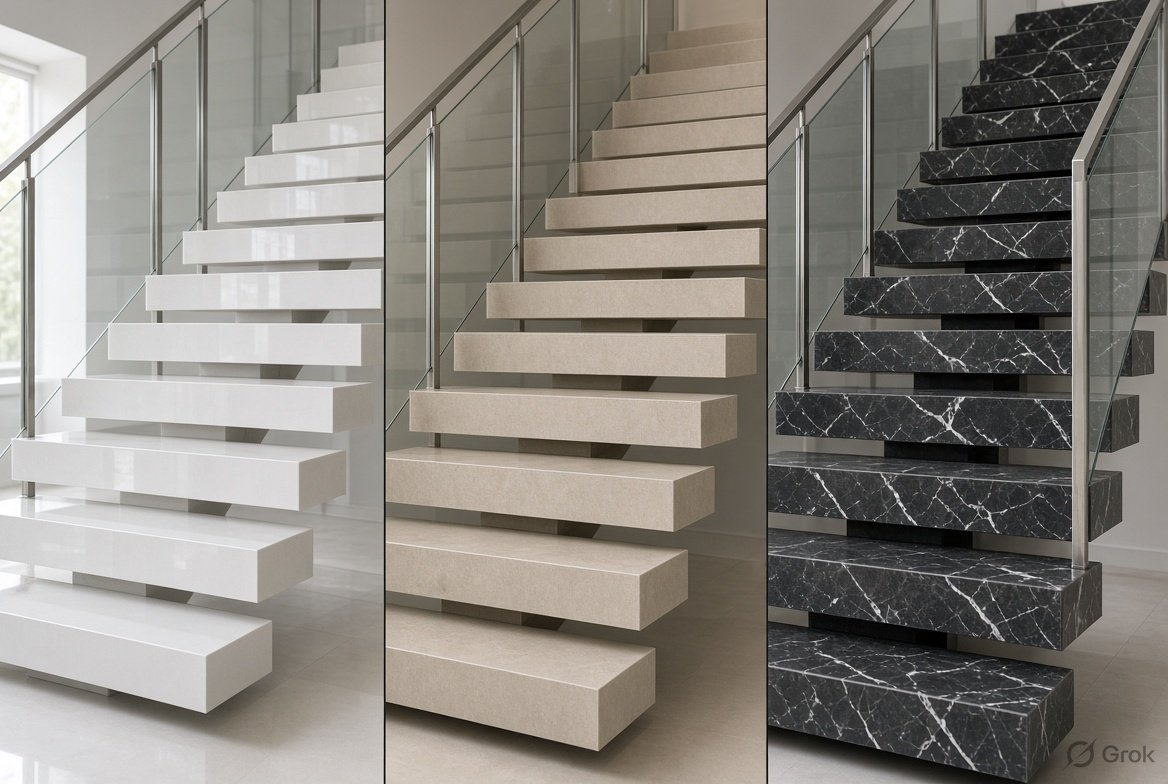
Porcelain vs Ceramic vs Natural Stone Tiles for Stairs: Which Is Best?
Oct 08, 2026 -
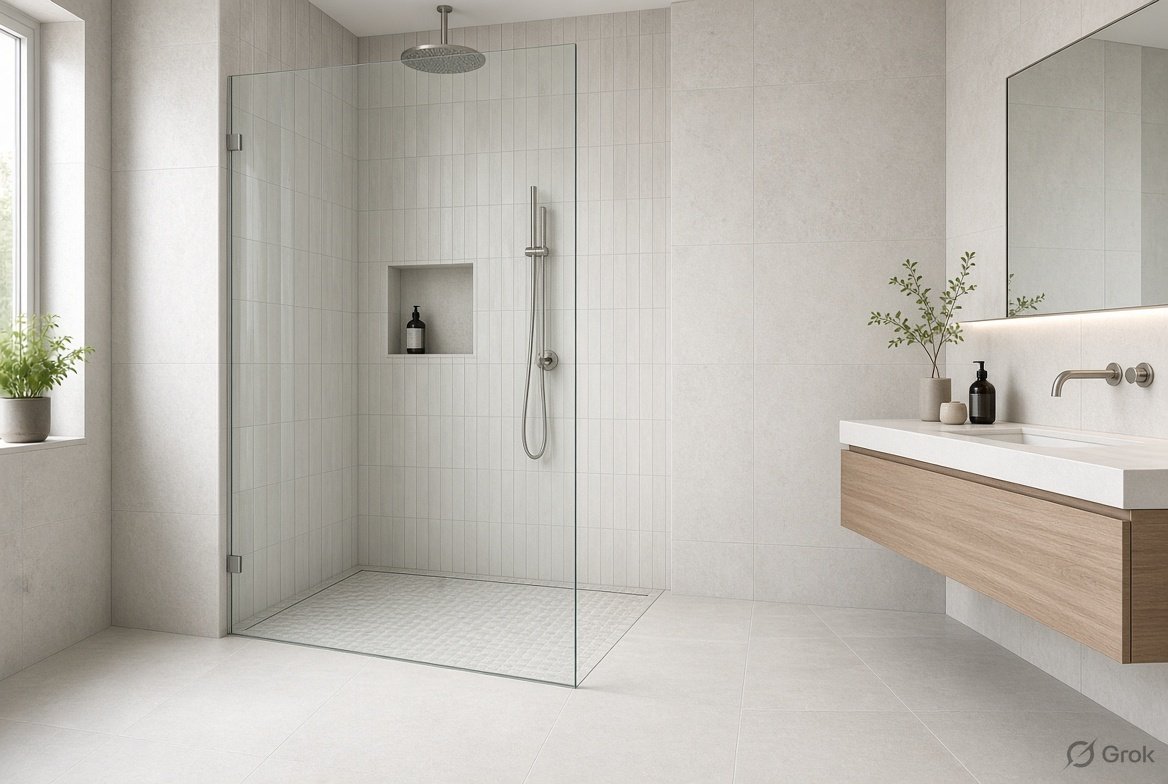
Best Shower Tile for Small Bathrooms: 9 Options That Make the Space Look Bigger (2026 Guide)
Sep 28, 2026 -
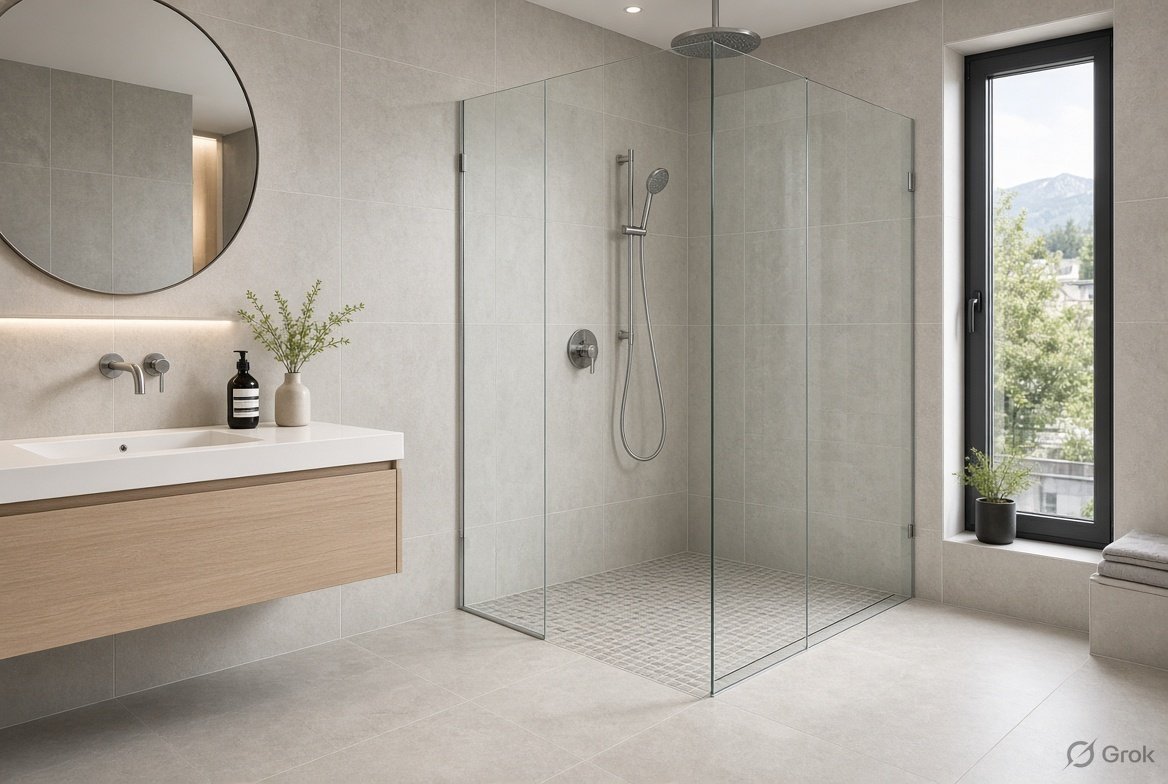
Bathroom Renovation in Switzerland: How Choose the Right Tiles
Sep 28, 2026 -
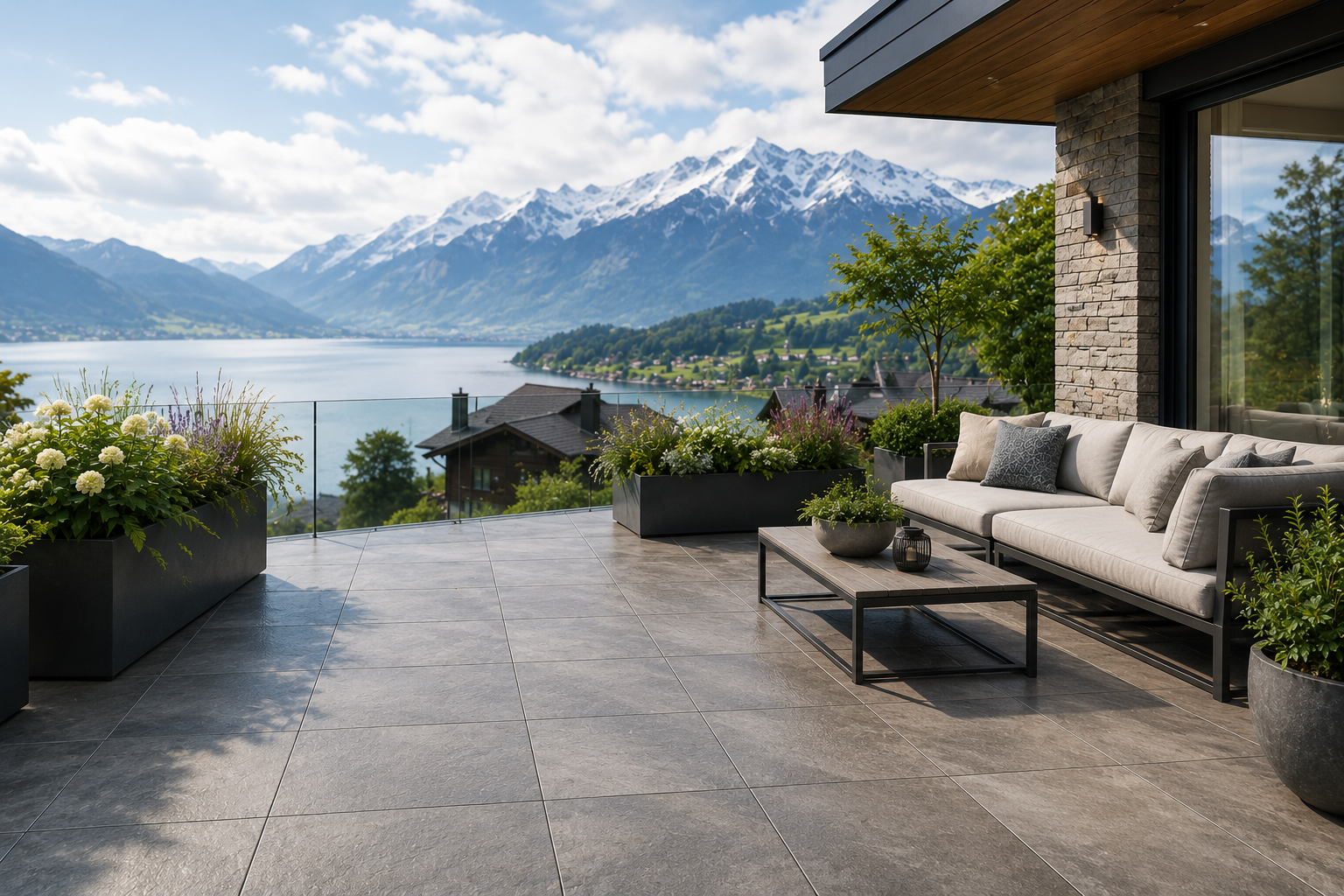
Outdoor Terrace Tile Installation in Switzerland: Choosing the Right Tiles for Swiss Weather
Sep 03, 2026 -

How to Choose the Right Plattenleger in Switzerland: A Complete Guide
Aug 27, 2026