How to Choose the Best Outdoor Tiles for Your Terrace
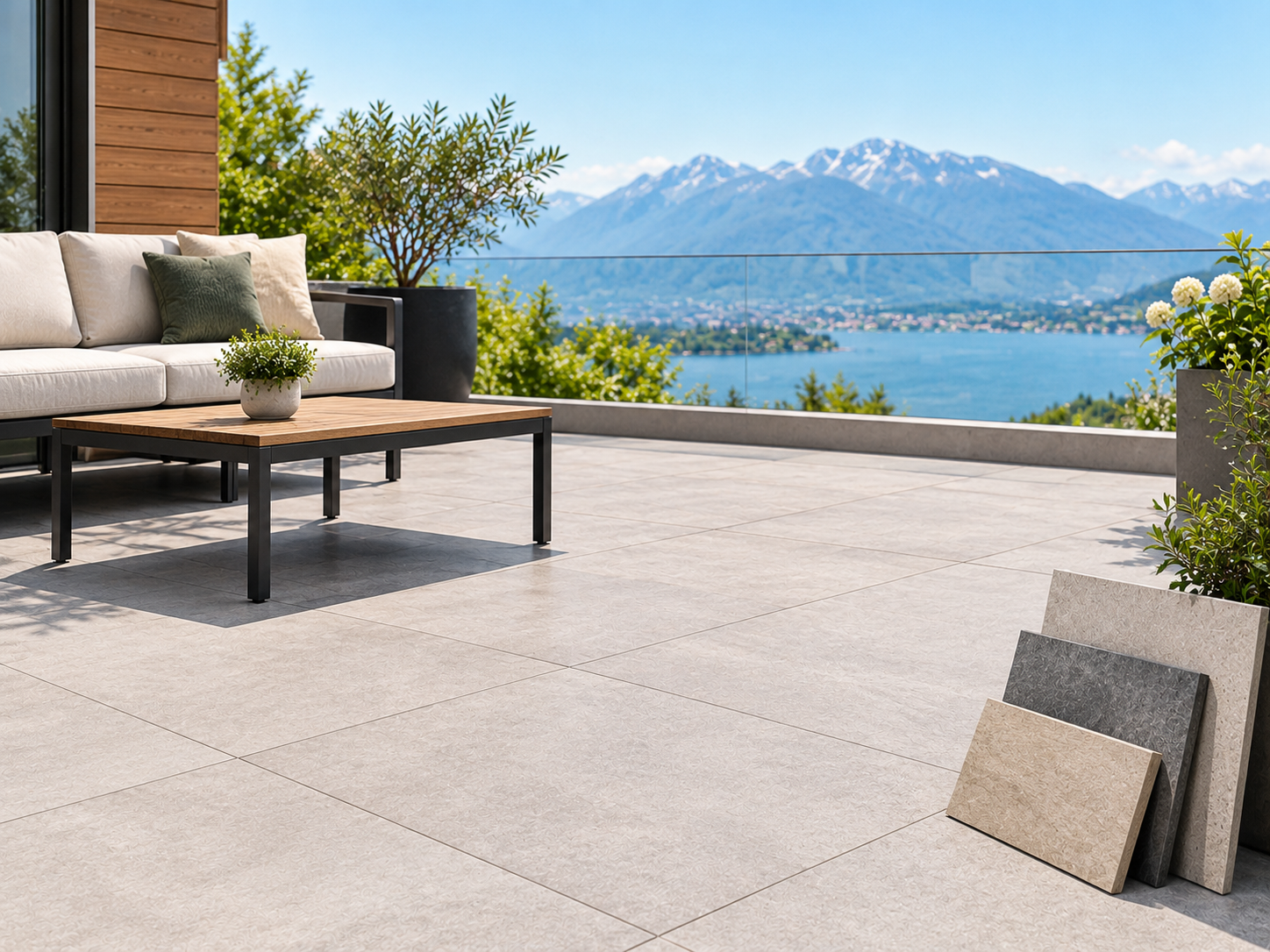
A terrace takes a beating all year. Rain, frost, snow and strong summer sun hit the surface every day, and a floor that looked perfect in the showroom can crack or turn slippery after one winter. If you are looking for the best outdoor tiles for terrace projects, the decision comes down to a few practical points: material, frost resistance, grip, size and installation. This guide goes through each one, so you can choose with confidence and avoid costly repairs later.
Think About Climate and Daily Use First
Picking tiles for outdoor terrace use in Switzerland means thinking about winter first. A terrace goes through freeze-thaw cycles again and again between November and March. Water gets into a weak tile, freezes, expands and breaks it from the inside. That is why frost resistance matters more than colour or price.
Before you compare designs, think about how you use the space. A quiet balcony has different needs from a family terrace with a barbecue, heavy planters and children running around in wet shoes.
Porcelain Stoneware: The Most Reliable Option
Porcelain stoneware is dense and takes in almost no water, usually below 0.5 per cent. That makes it frost-proof, stain-resistant and easy to clean. If a client asks us for the best outdoor tiles for terrace areas, porcelain is usually where we start.
Outdoor porcelain often comes in 2 cm thickness, which can be laid loose on gravel or on adjustable pedestals, as well as fixed to a solid base. Thick slabs also handle point loads from heavy furniture better than thin tiles.
Natural Stone, Ceramic and Concrete
Natural stone such as granite, slate and quartzite looks warm and ages well. Granite is one of the best tiles for outdoor flooring if you want a natural surface with a long life. Softer stones like limestone and some sandstones need sealing and regular care. If you like the stone look but not the upkeep, many homeowners choose outdoor terrace tiles in porcelain that copy stone, wood or concrete.
Glazed ceramic costs less, but not every type is frost-proof. Check the packaging for a frost-resistance mark, and keep standard ceramic for covered areas. Concrete slabs are strong and affordable, though they can stain and need a sealer.

Check the Slip Rating
Grip is a safety matter, not a style choice. Look for an R10 or R11 rating (DIN 51130) on the packaging. R11 suits wet areas, steps and ramps. Going higher than you need makes the surface rougher and harder to clean, because dirt collects in the texture.
Even the best outdoor tiles for terrace use can be risky with the wrong rating. When you compare terrace floor tiles in a showroom, ask for the slip rating and test a sample with a wet shoe.
Size, Colour and Finish
Large formats such as 60 x 60 cm or 60 x 120 cm mean fewer grout lines, which looks clean and cuts down on scrubbing. Smaller tiles suit tight balconies and gentle curves.
In a sunny spot, the best outdoor tiles for terrace floors are usually light-coloured, because light shades stay cooler underfoot while dark tiles heat up and show dust and leaves. A matt or structured finish hides wear better than a polished one. If your terrace connects to the living room, choosing a tone close to your indoor floor makes both spaces feel like one.
Why Installation Matters as Much as the Tile
Even the best tiles for outdoor flooring will fail on a poorly prepared base. A proper terrace build needs:
- A slope of about 1.5 to 2 per cent so rainwater runs off instead of standing
- A waterproofing layer where the terrace sits above a heated room
- Flexible, frost-proof adhesive and grout
- Movement joints that allow for temperature changes
- Drains that stay clear of leaves
Pedestal systems are worth a look. They keep the tiles dry underneath, make it easy to reach pipes or cables and level out uneven ground. A qualified tiler will check your existing base first and tell you if repairs are needed before any tile goes down.
A Quick Checklist Before You Buy
When you compare the best outdoor tiles for terrace options in a shop, keep this list on your phone:
- Frost-proof mark on the box
- Water absorption below 0.5 per cent
- Slip rating R10 or R11
- Thickness that fits your method (about 1 cm glued, 2 cm loose-laid)
- Same batch number on every box
- 10 per cent extra for cuts and spares
Cleaning and Maintenance
The best outdoor tiles for terrace floors last longer with simple care. Sweep often, wash with water and a mild cleaner, and avoid strong acids that can harm grout and some stones. Clear moss early in shady corners and check the joints once a year. Most terrace floor tiles in porcelain need little more than this.
Frequently Asked Questions
Can I use indoor tiles outside?
Usually not. Indoor tiles may not be frost-proof or slip-resistant and can crack in winter.
What are the best outdoor tiles for terrace areas with heavy snow?
Porcelain stoneware with R11 grip and a frost-proof rating. Use a plastic shovel and a de-icer that is safe for tile.
Do I need a professional?
For a small balcony, a confident DIYer may manage. On larger terraces, slopes, waterproofing and drainage are easy to get wrong, so a professional tiler saves money in the long run.
Final Thoughts
Choosing the best outdoor tiles for terrace projects gets easier once you know what to check: frost resistance, grip, thickness and a solid base. Whether you prefer outdoor terrace tiles in stone-look porcelain or classic granite, the right installation protects your investment for years.
If you need help planning tiles for outdoor terrace work, contact the Plattenleger Pro team for advice and a quote. We can look at your space, recommend a suitable material and lay it properly.
Recent Posts
-
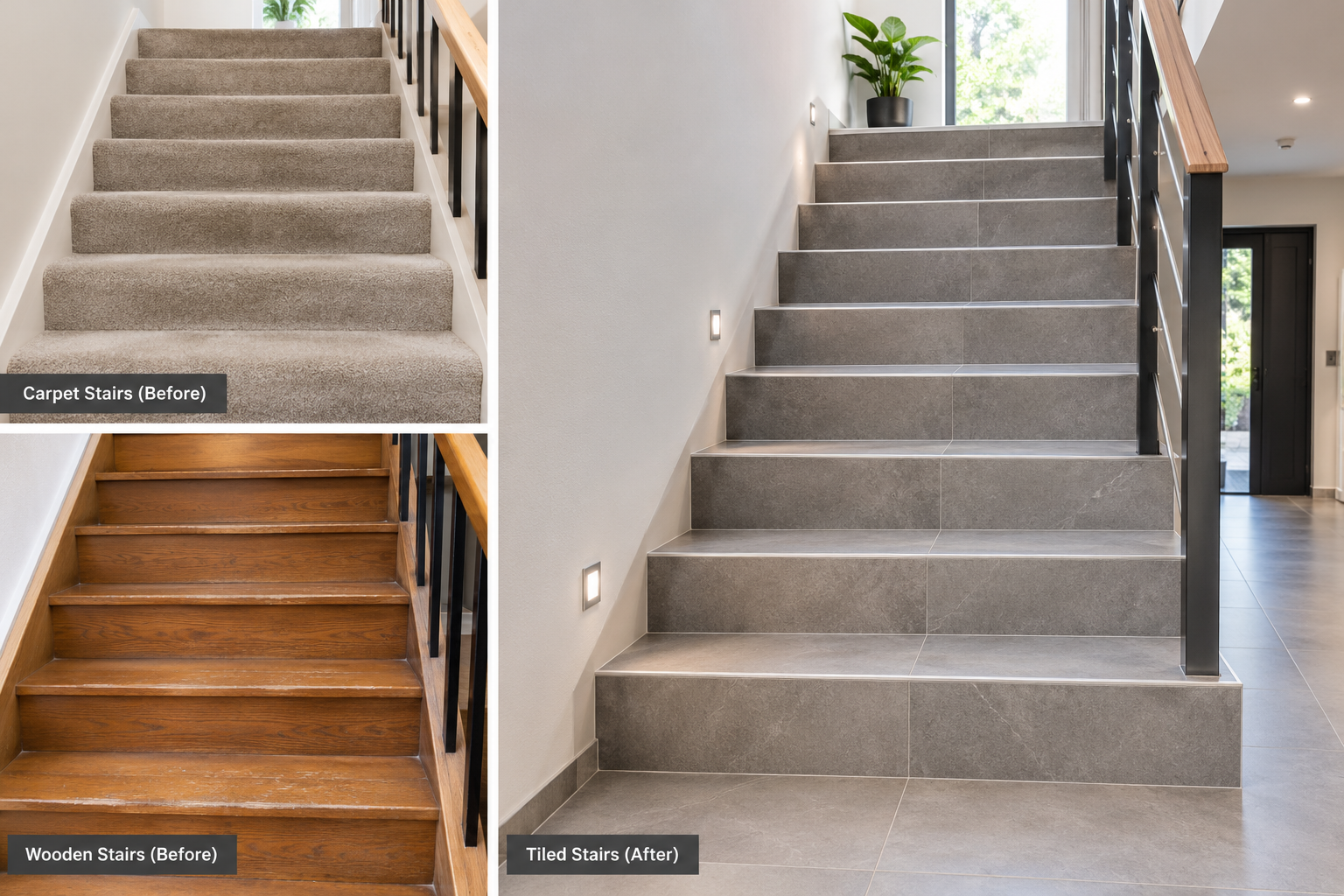
Replacing Carpet or Wood Stairs With Tiles: Is It Worth It?
Oct 19, 2026 -
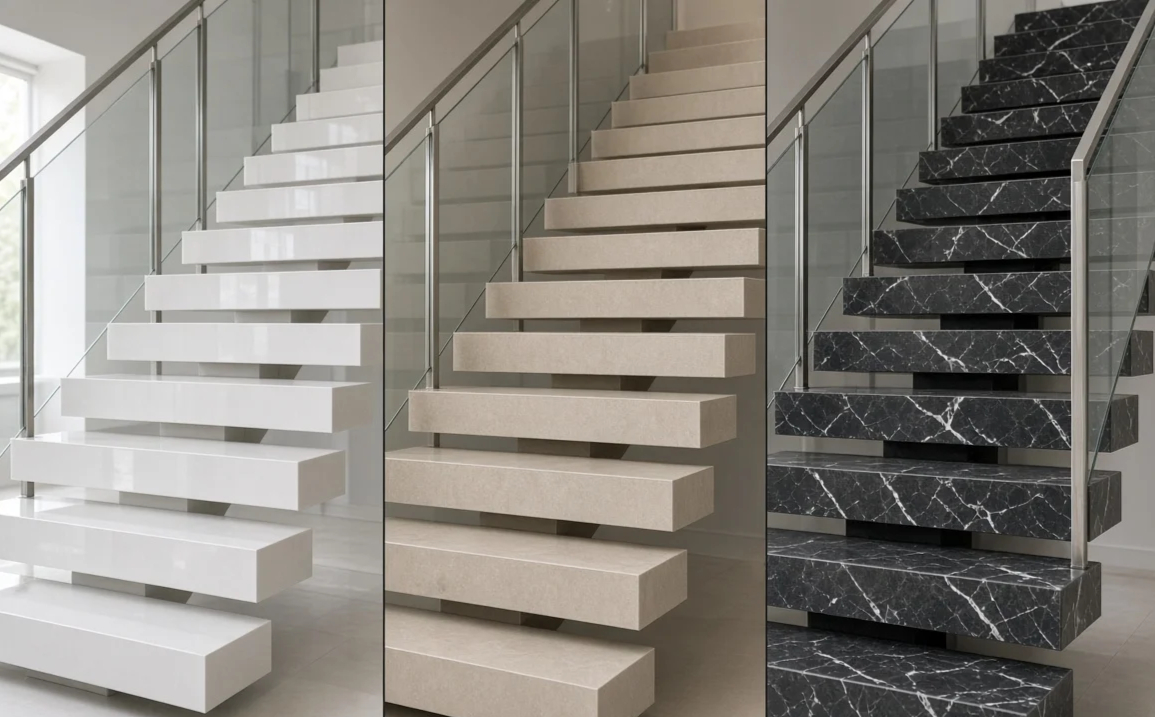
Porcelain vs Ceramic vs Natural Stone Tiles for Stairs: Which Is Best?
Oct 08, 2026 -
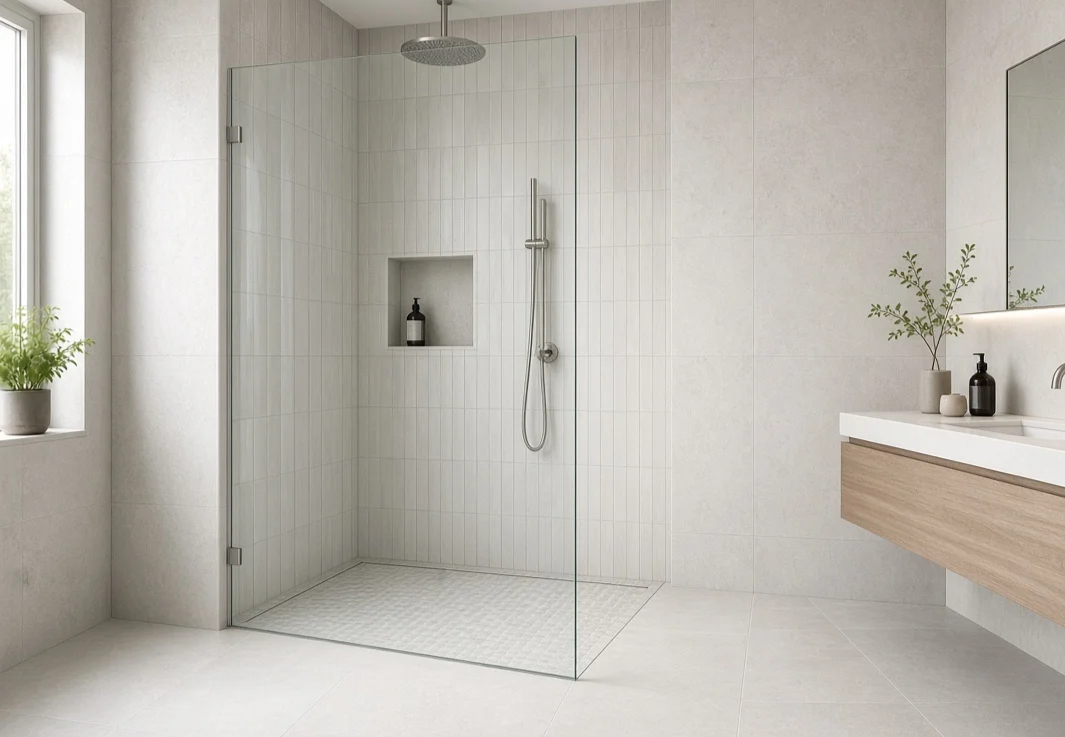
Best Shower Tile for Small Bathrooms: 9 Options That Make the Space Look Bigger (2026 Guide)
Sep 28, 2026 -
Bathroom Renovation in Switzerland: How Choose the Right Tiles
Sep 28, 2026 -
Outdoor Terrace Tile Installation in Switzerland: Choosing the Right Tiles for Swiss Weather
Sep 03, 2026