Kitchen Tile Installation: Backsplash vs Floor Tiles Explained
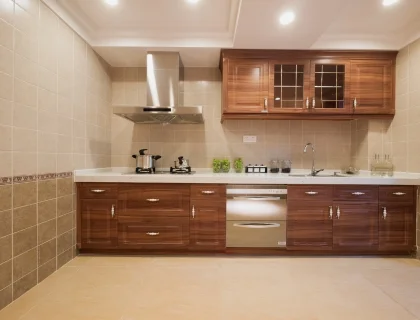
If you’ve ever wandered through a home renovation showroom, you’ve likely felt the pull of a gorgeous, hand-painted ceramic tile or a shimmering glass mosaic. In that moment, it’s easy to imagine that specific pattern stretching across your entire kitchen floor. But before you tap your credit card, there is a technical reality check you need to hear: a tile isn't just a tile.
The kitchen is a high-performance zone. Between heavy foot traffic, spilt red wine, and boiling grease splatters, the surfaces you choose have to do a lot more than just look pretty. Understanding the structural and safety differences between backsplash and floor tiles is the difference between a kitchen that lasts twenty years and one that starts cracking in twenty days.
1. Durability and the "PEI" Reality
The most critical distinction between these two surfaces is toughness. During any kitchen tile installation, understanding tile durability is essential for long-lasting performance. The industry uses a metric called the PEI (Porcelain Enamel Institute) rating to measure how much abrasion a tile can handle before it fails.
- Floor Tiles: Think of these as the workhorses. They are built to withstand the weight of a double-door refrigerator and the constant friction of shoes and pet claws. Floor tiles generally sit at a PEI 3 to 5. They are fired at intense temperatures to ensure they are dense enough to resist impact.
- Backsplash Tiles: These are more like "wall jewelry." Because nobody is walking on your walls, these tiles can afford to be delicate. Many backsplash options carry a PEI 0 to 2. While they are stunning, they would scratch or shatter almost immediately if you tried to walk on them.
The Golden Rule: You can move a floor tile up to the wall, but you should never move a wall tile down to the floor.
2. Friction vs. Ease of Cleaning
Safety and maintenance are two sides of a coin in kitchen design.
The Floor: Grip is Mandatory
Kitchens are "wet zones." From a leaky dishwasher to a splash of pasta water, the floor is often slick. Consequently, floor tiles are manufactured with a specific Coefficient of Friction (COF). They usually have a matte or slightly textured finish to provide "bite" for your feet, ensuring your kitchen doesn't become a skating rink.
The Backsplash: Smooth is Better
On the wall, smoothness is your best friend. Glossy, polished, or glass tiles are the gold standard for backsplashes because they are non-porous. When tomato sauce pops behind the stove, a smooth surface lets you wipe it away with a single swipe. If you used a rough, high-friction floor tile on your wall, grease and dust would settle into the texture, making deep-cleaning a nightmare.
3. Weight and the Physics of Gravity
Size and weight matter when you’re fighting gravity.

If you try to install a massive, heavy porcelain floor slab on a kitchen wall, you run the risk of "sagging." You’ll need specialised high-bond mortar to keep those heavy pieces from sliding down the wall before the adhesive dries. Conversely, tiny mosaics on a floor create a massive amount of grout lines that are difficult to keep clean at ground level.
4. Maintenance and Staining
The kitchen is a battlefield of oils, acids, and pigments.
- Backsplash tiles are frequently glazed specifically to be impervious to liquids. However, if you choose a trendy natural stone like marble for your backsplash, it must be sealed. Without a sealer, the stone will "drink" the steam and cooking oils, leading to permanent yellowing or dark spots.
- Floor tiles are generally chosen for their low-maintenance profile. Porcelain is best for kitchen floor because it is nearly waterproof and incredibly hard to stain, standing up to the chaos of a busy family home without needing constant pampering.
Pro Tips for a Flawless Finish
- Grout Strategy: For floors, lean toward darker grouts (tans, greys, or charcoals). White grout on a kitchen floor will look dingy within a month. On a backsplash, you can use contrasting grout to highlight the unique shape of your tile.
- Edge Protection: Floor tiles usually hide behind baseboards. Backsplashes, however, often have exposed ends. Ask your kitchen tile installer not to forget the bullnose pieces or metal Schluter strips to hide the raw, unfinished edge of the tile.
- Outlet Extensions: If you choose a thick, dimensional tile for your backsplash, your electrical outlets will sit too deep in the wall. Your kitchen tile installer will need "box extenders" to bring the plugs forward so they sit flush with the new surface.
The Verdict
A great kitchen renovation is a balance of grit and glamour. Invest your budget into high-durability, slip-resistant porcelain for floors; this is the foundation of the room. Then, let your personality shine on the backsplash. By respecting the technical differences between these surfaces, you ensure your kitchen stays functional and beautiful for decades.
Recent Posts
-
Porcelain vs Ceramic vs Natural Stone Tiles for Stairs: Which Is Best?
Oct 08, 2026 -
Best Shower Tile for Small Bathrooms: 9 Options That Make the Space Look Bigger (2026 Guide)
Sep 28, 2026 -
Bathroom Renovation in Switzerland: How Choose the Right Tiles
Sep 28, 2026 -
Outdoor Terrace Tile Installation in Switzerland: Choosing the Right Tiles for Swiss Weather
Sep 03, 2026 -
How to Choose the Right Plattenleger in Switzerland: A Complete Guide
Aug 27, 2026