Bathroom Renovation in Switzerland: How Choose the Right Tiles
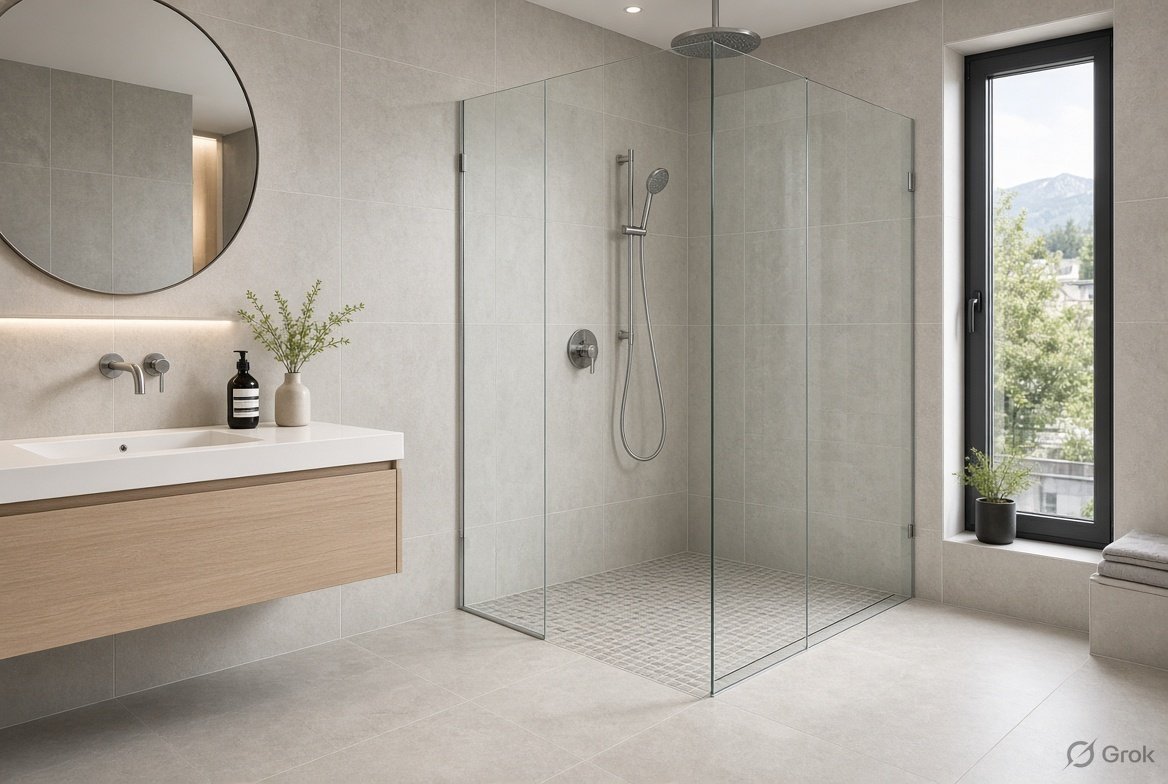
If you're planning a bathroom renovation Switzerland, homeowners can be proud of, the tiles will probably be your biggest decision. They cover most of the surface, take daily punishment from water, steam and cleaning products, and set the mood of the whole room. Slow down before you fall for the first sample you see in a showroom.
Why Tile Choice Matters in Swiss Homes
Swiss bathrooms come with their own challenges. Cold winters, older buildings with uneven walls, underfloor heating and high quality expectations all affect what works. A tile that looks fantastic online might crack over a heated screed or turn slippery the second it gets wet.
Good bathroom tile installation starts with matching the material to the room, not just to your mood board. Think about who uses the bathroom, how often, and how much moisture it sees each day.
Porcelain, Ceramic or Natural Stone?
Here's a quick breakdown of the three most common options.
Porcelain is dense, has very low water absorption and handles temperature changes well. It also works nicely with underfloor heating. If you ask me for the best tiles for bathroom renovation projects, porcelain wins in most cases, especially for floors and shower areas.
Ceramic is lighter, easier to cut and usually cheaper. It's a solid choice for walls, but it's less forgiving on floors that see heavy use.
Natural stone (marble, slate, travertine) looks stunning, but it's porous. It needs sealing and regular care. If you love the look and don't mind the upkeep, go for it. If you want a low-maintenance bathroom, think twice.
Don't Ignore Slip Resistance
This is the detail people skip, and it matters. Wet floors and smooth tiles are a risky mix, particularly if you have kids or older family members at home. Check the slip-resistance rating (R-rating) of any floor tile. R10 is a common minimum for bathroom floors, and many professionals recommend R11 for walk-in showers.
A quick tip: small mosaic tiles on a shower floor give you more grout lines and more grip. They also follow the slope to the drain much more easily.
Size, Colour and Finish
Large-format tiles mean fewer grout lines, which look clean and make cleaning easier. In a small bathroom, they can also make the space feel bigger. Just remember that large tiles need a very flat surface, so preparation becomes even more important.
For colour, light neutral tones keep small rooms bright, while darker shades bring a moody, spa-like feel to larger ones. Matt finishes hide water spots and feel safer underfoot. Glossy tiles bounce light around but show every splash.
Don't forget the grout. A contrasting colour makes a bold pattern, while a matching one keeps things calm and seamless. Epoxy grout costs more, but it resists stains and moisture better in wet zones.
Installation Matters More Than the Tile Itself
You can buy the most beautiful tile on the market and still end up with a disappointing result. Most bathroom problems, like cracked tiles, loose grout, mould and leaks, come from poor preparation, not from the tile.
Proper bathroom tiling Switzerland standards call for a level substrate, correct waterproofing, the right adhesive and enough movement joints. Skipping any of these steps might save time on day one, but it can cost you thousands later.
That's why professional tile installation Switzerland wide is not something to hand over to the cheapest offer. A skilled fitter checks the surfaces, plans the layout so you don't end up with awkward slivers at the edges, and works cleanly around pipes, niches and drains.
Budgeting for Your Bathroom Renovation
Costs depend on several things: tile quality, room size, layout complexity, wall and floor preparation, and labour. Here are a few practical tips for any bathroom renovation Switzerland budget:
- Spend more on prep and waterproofing rather than on decorative extras.
- Order 10 to 15 percent extra tiles to cover cuts and future repairs.
- Compare at least two or three detailed quotes, not just the final price.
- Ask what's included: removal, disposal, levelling, waterproofing and grouting.
How to Choose the Right Tile Installer
Finding a reliable tile installer Switzerland has to offer isn't hard if you know what to look for. Ask for references and photos of finished bathrooms. Ask how they handle waterproofing. Make sure the quote is in writing and clearly explains the scope of work. Good installers will happily answer these questions. If someone gets vague, that's a red flag.
Communication counts too. A professional will talk you through layout options, tile choices and realistic timelines instead of just telling you what you want to hear.
If you're looking for experienced help, the team at Plattenleger Pro works with homeowners on everything from small updates to complete bathroom makeovers. You can browse their services and get in touch for advice before you commit to any tile.
Recent Posts
-
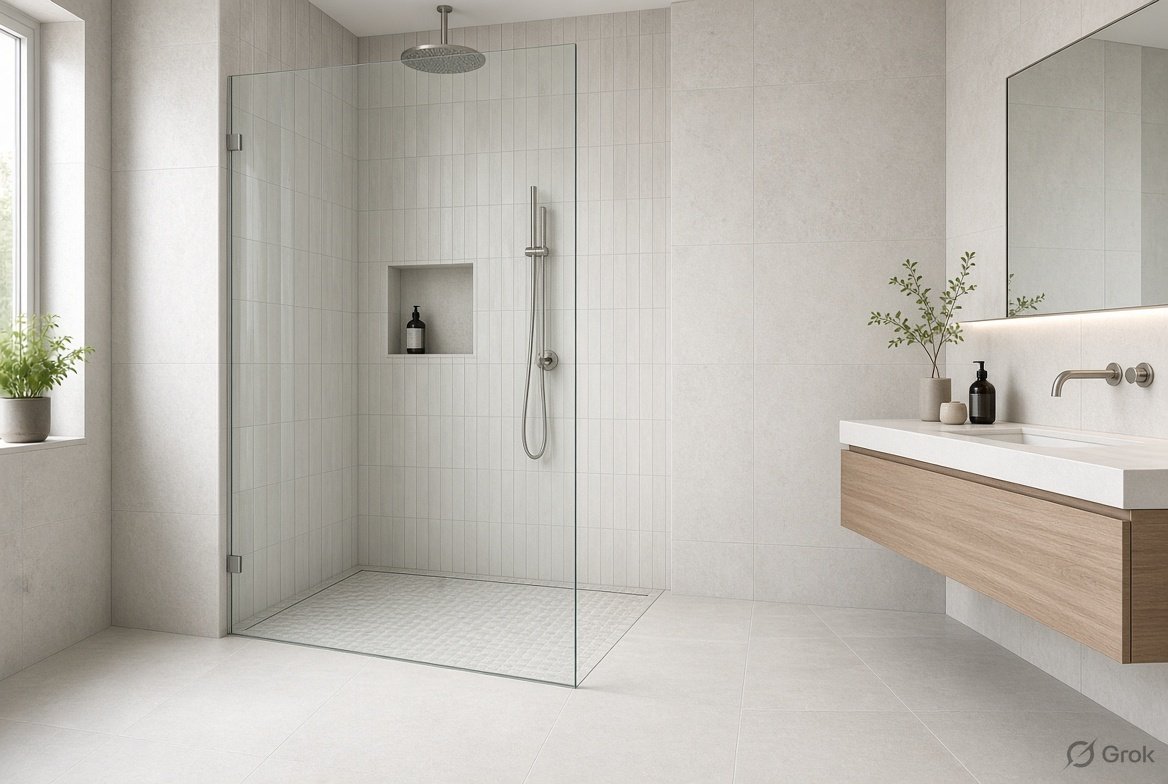
Best Shower Tile for Small Bathrooms: 9 Options That Make the Space Look Bigger (2026 Guide)
Sep 28, 2026 -
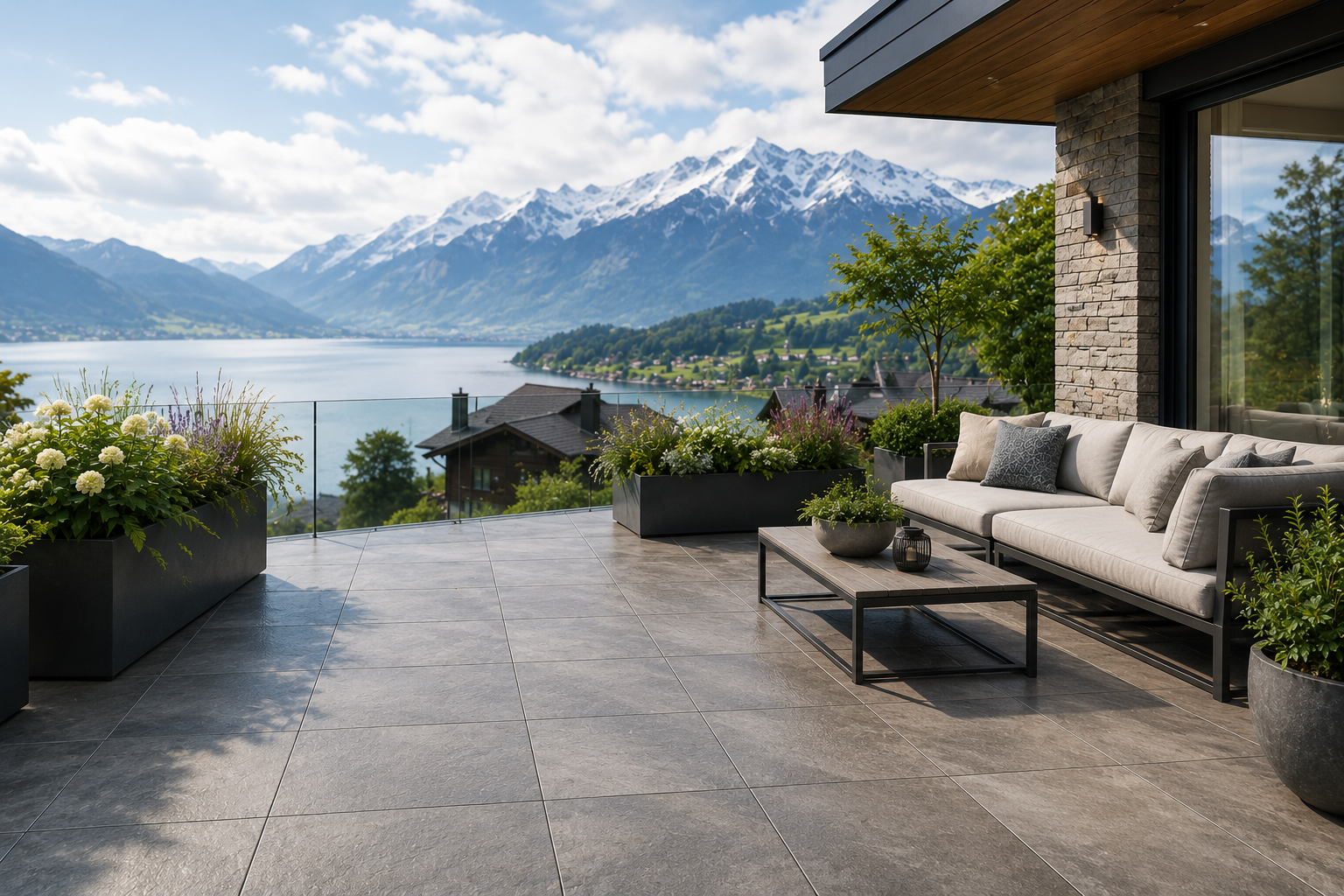
Outdoor Terrace Tile Installation in Switzerland: Choosing the Right Tiles for Swiss Weather
Sep 03, 2026 -
How to Choose the Right Plattenleger in Switzerland: A Complete Guide
Aug 27, 2026 -
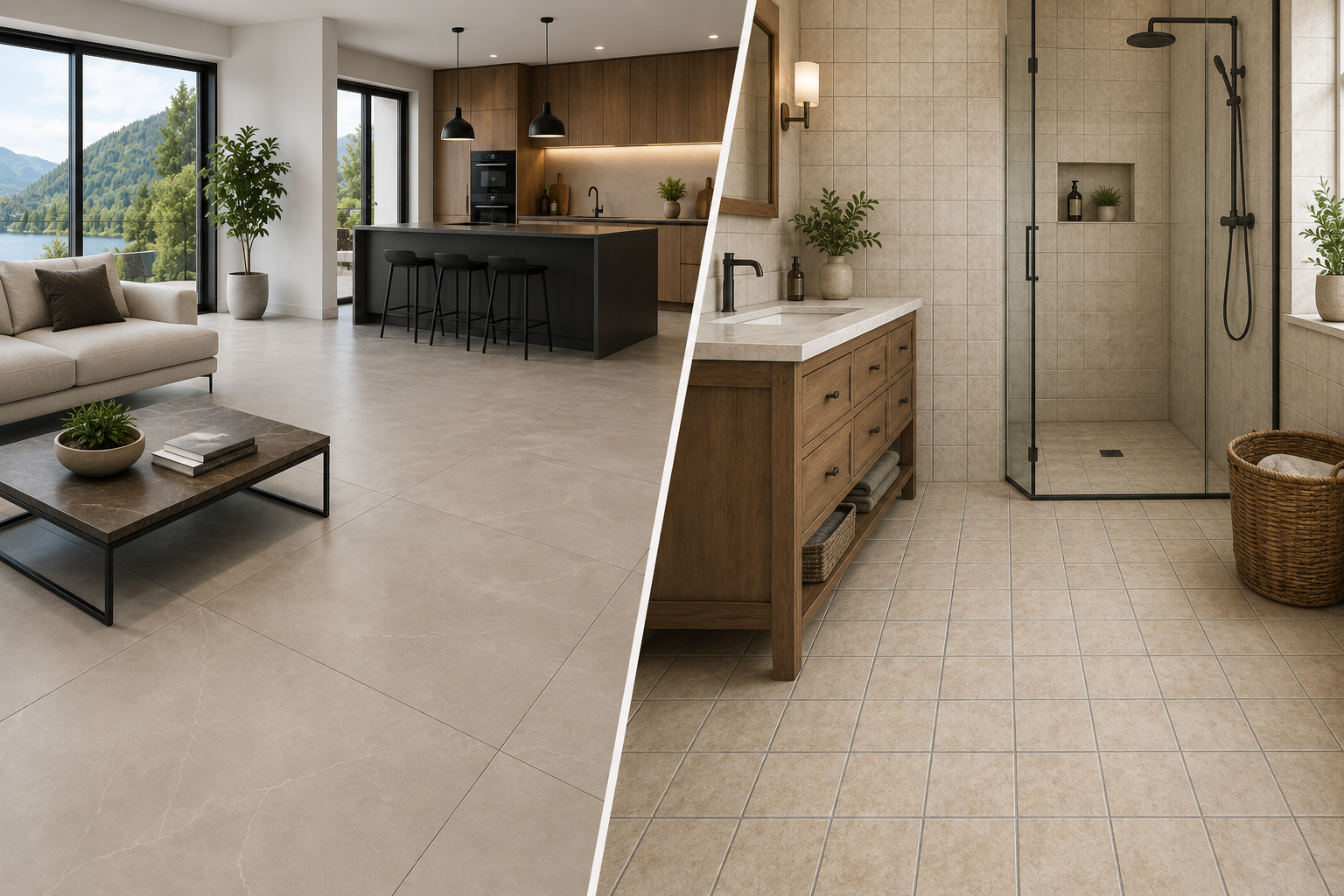
Large Format Tiles vs Standard Tiles: What Works Best?
Aug 12, 2026 -
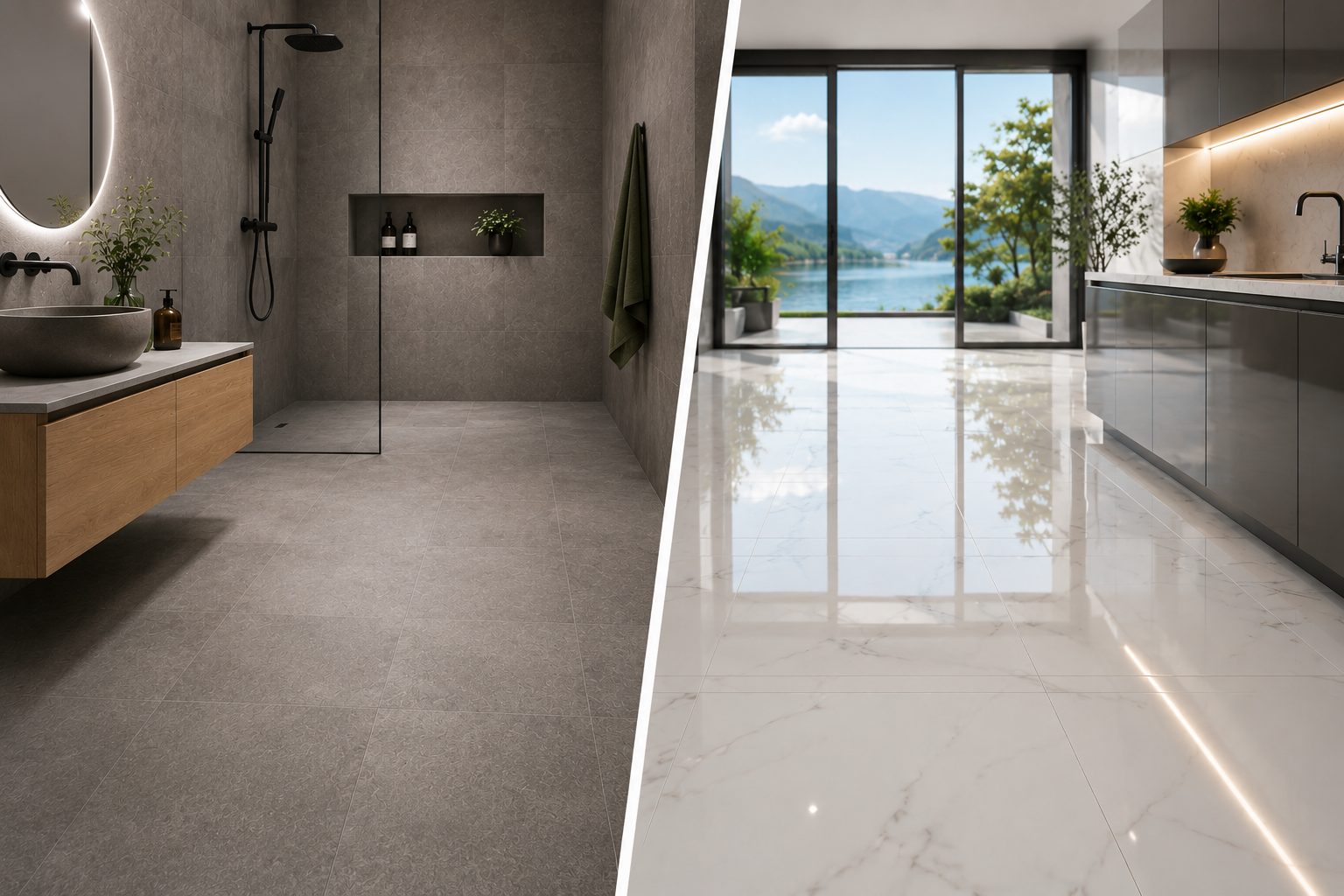
Matte Tiles vs. Gloss Tiles: Which Finish Should You Choose?
Jul 29, 2026