Latest Trends in Modern Tiles and Natural Stone Design
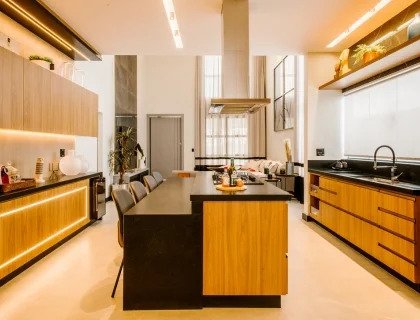
If you’re planning a home renovation or designing a new space, tiles and natural stone can instantly elevate the look and feel of your interiors. The best part? Today’s trends are not just about what looks good—they’re also about what feels comfortable to live with, what’s easier to maintain, and what adds long-term value. Whether you’re updating your kitchen backsplash, building a spa-like bathroom, or upgrading your outdoor patio, modern tile and stone trends offer plenty of smart, stylish choices.
1) Large-Format Tiles for a Seamless, Premium Look
One of the biggest shifts in modern tile design is the growing popularity of large-format tiles. These oversized tiles create fewer grout lines, which makes floors and walls look more continuous, clean, and spacious. The tiling in smaller rooms, like bathroom tiling with large-format tiles, helps reduce visual clutter and instantly makes the space feel bigger. They’re also practical—less grout means easier cleaning and fewer areas where moisture or stains can settle. You’ll see these tiles used everywhere from minimalist living rooms to high-end shower walls, often in finishes that mimic marble, concrete, or natural stone.
2) Natural Stone as a Statement, Not Just a Surface
Natural stone design has moved beyond “classic” and stepped into “feature” territory. Instead of using stone only as a countertop or flooring, homeowners are now choosing it for dramatic accent walls, fireplace surrounds, entryway highlights, and even headboard-style bedroom feature panels. Materials like marble, granite, travertine, and slate are being used strategically to add texture and personality. And because every stone slab is unique, it creates a one-of-a-kind finish that feels truly custom. If you want your space to look luxurious without adding heavy décor, statement stone is one of the most impactful ways to do it.
3) Matte Finishes and Soft, Natural Textures
Glossy tiles still exist, but matte finishes are trending strongly—especially for modern interiors. Matte tiles feel more subtle, warm, and natural, and they’re great at hiding water spots, fingerprints, and minor scratches. This makes them a favorite for high-traffic areas like kitchen tiles and corridors, and for bathrooms where you want a calm, spa-inspired look. Along with matte, there’s also a rise in tactile surfaces—think stone-look tiles with a light grain, sand-like textures, or gentle patterns that look handmade. These finishes add depth without overwhelming the space.
4) Earthy Neutrals and Warm Minimalism
Design is moving away from cold greys and toward warmer, earth-inspired palettes. Beige, sand, caramel, clay, soft white, and muted taupe are becoming the new “modern neutral.” These shades pair beautifully with natural stone and wood, and they create a comforting vibe that still feels contemporary. In stone, warmer marbles and creamy travertines are trending, while tiles are leaning into limestone-look and natural cement tones. This approach works especially well if you want a home that feels stylish now but won’t feel dated in a few years.
5) Terrazzo, Stone Mosaics, and Mixed Materials
Terrazzo is back in a big way—both in traditional speckled looks and in more modern, oversized aggregate patterns. It’s playful, durable, and surprisingly versatile, working equally well on floors, bathroom walls, and even countertops. Alongside terrazzo, stone mosaics are trending for feature zones like shower niches, backsplash strips, and vanity walls. Designers are also mixing materials more creatively: combining stone with fluted tiles, pairing marble with metal trims, or balancing rough slate with smooth matte porcelain. The goal is a layered look—rich, but still clean and intentional.
6) Sustainable Choices and Practical Performance
Homeowners are also looking for materials that match modern lifestyle needs—durability, easy care, and sustainability. Porcelain tiles that mimic natural stone are popular because they offer the look of marble or slate with lower maintenance. On the natural stone side, finishes like honed or leathered stone are chosen not just for aesthetics but because they’re more forgiving in daily use. Many people are also using locally sourced stone or opting for long-lasting surfaces rather than frequently replacing cheaper options. When you choose tile or stone thoughtfully, it becomes a design investment that lasts for years.
7) Outdoor-Indoor Continuity
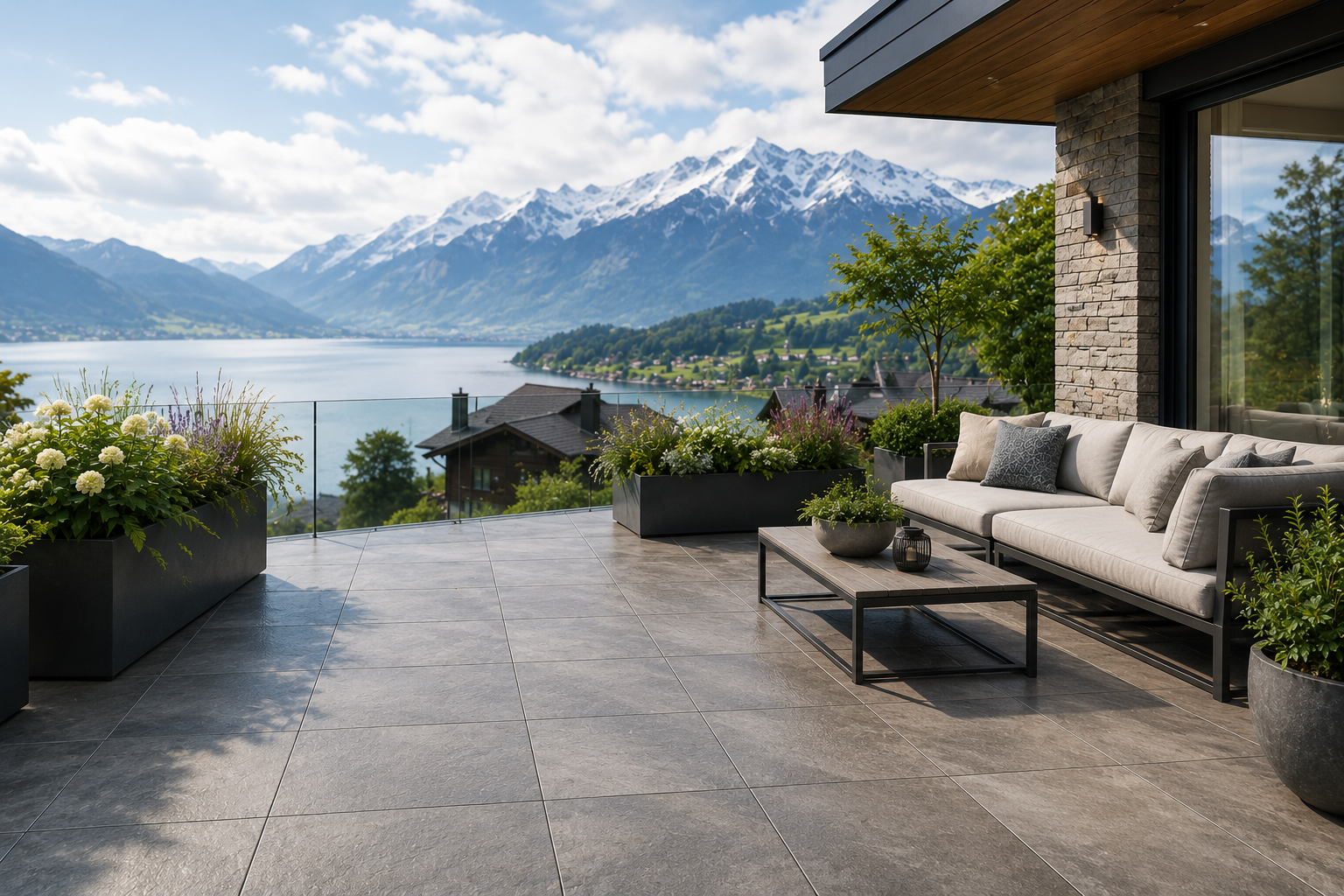
Another modern trend is making indoor and outdoor areas feel connected. Similar tile styles are now used for living room and outdoor patio tiling, or from kitchen floors into balconies, creating a smooth visual flow. Natural stone is also being used outdoors in textured finishes that improve grip and weather resistance. If you love entertaining or want a home that feels open and expansive, this indoor-outdoor design approach gives a high-end architectural feel.
Bringing It All Together
The latest trends in modern tiles and natural stone design are all about balance—clean lines with natural warmth, bold features with timeless tones, and beautiful surfaces that are practical for real life. Whether you’re building modern luxury or aiming for minimal and cozy, the right tile or stone choice can become the foundation of your entire design story.
FAQs
1) Which is better for my home: natural stone or stone-look tiles?
Natural stone offers unmatched uniqueness and luxury because every piece has natural variation. Stone-look porcelain tiles are ideal if you want the same aesthetic with easier maintenance, better stain resistance, and strong durability—especially for kitchens and high-traffic floors.
2) Are large-format tiles suitable for small bathrooms?
Yes, they’re often perfect for small bathrooms because fewer grout lines make the space look cleaner and more open. With the right layout and color, large-format tiles can visually expand compact areas.
3) What tile finish is best for slip resistance in bathrooms?
Matte or textured finishes are generally better for bathroom floors because they provide more grip than glossy surfaces. For shower floors, smaller tiles or mosaics are also helpful because grout lines add traction.
4) How do I maintain natural stone surfaces like marble or travertine?
Use pH-neutral cleaners, wipe spills quickly, and avoid harsh acids or abrasive scrubs. Sealing is important for many stones to reduce staining and water absorption, especially in kitchens and bathrooms.
5) What are the most timeless tile and stone design choices?
Neutral tones, simple patterns, and natural textures tend to stay in style the longest. Warm whites, soft beige, stone-inspired finishes, and classic materials like marble (used thoughtfully) remain popular because they pair well with changing décor trends.
Recent Posts
-
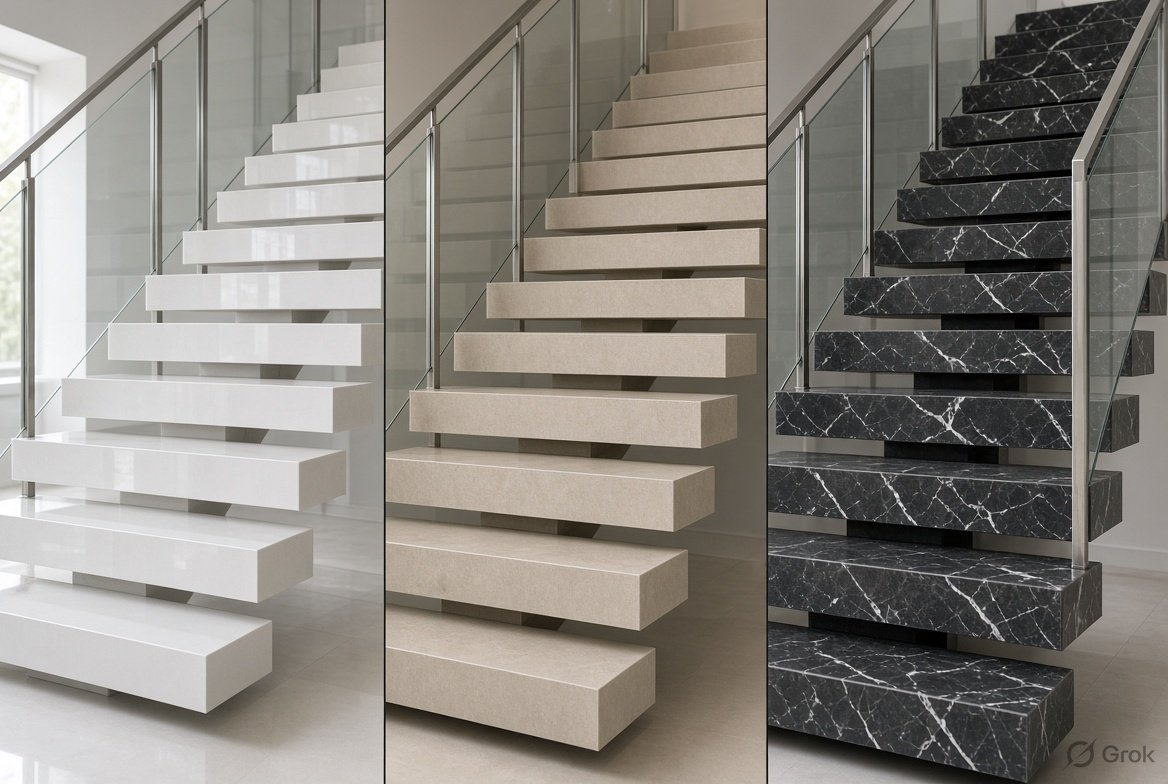
Porcelain vs Ceramic vs Natural Stone Tiles for Stairs: Which Is Best?
Oct 08, 2026 -
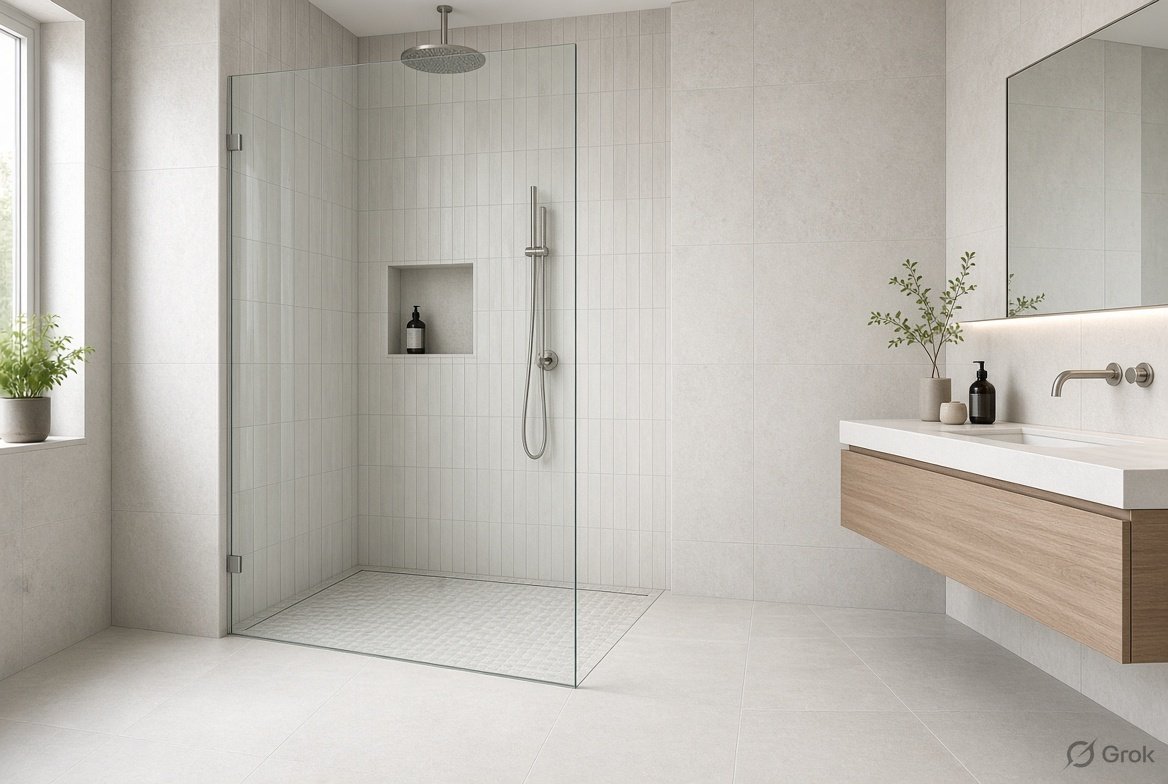
Best Shower Tile for Small Bathrooms: 9 Options That Make the Space Look Bigger (2026 Guide)
Sep 28, 2026 -
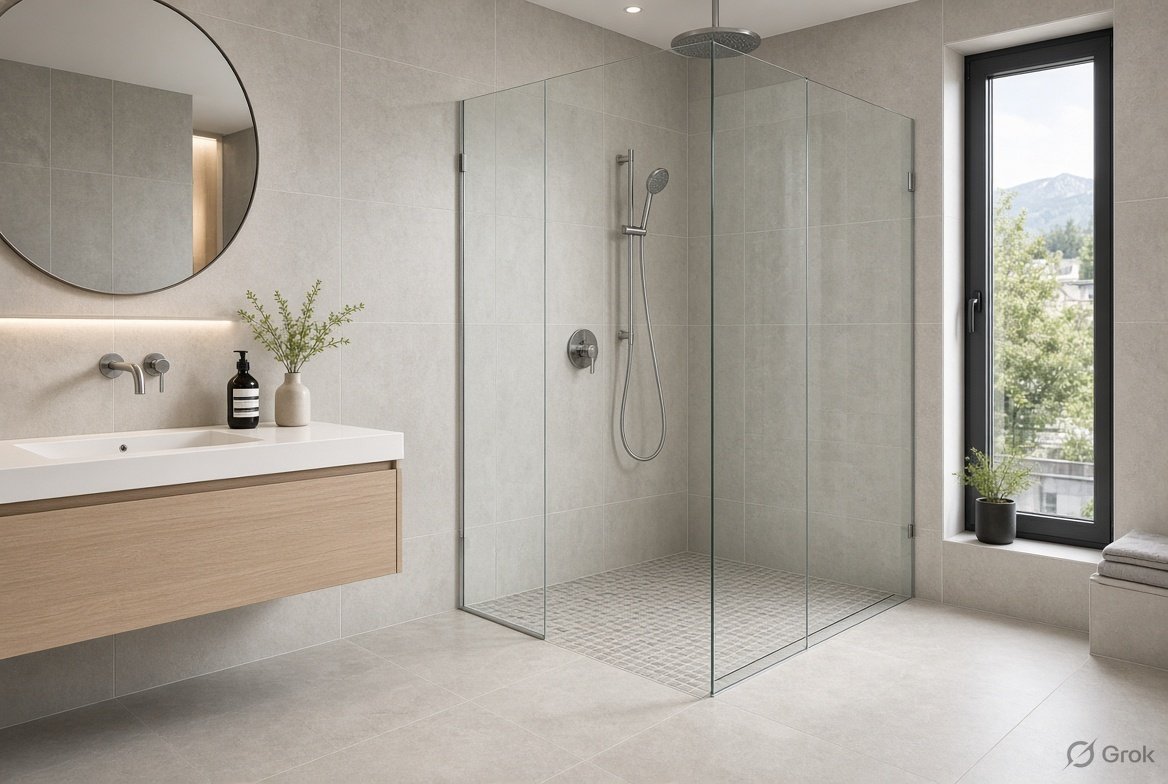
Bathroom Renovation in Switzerland: How Choose the Right Tiles
Sep 28, 2026 -
Outdoor Terrace Tile Installation in Switzerland: Choosing the Right Tiles for Swiss Weather
Sep 03, 2026 -
How to Choose the Right Plattenleger in Switzerland: A Complete Guide
Aug 27, 2026